

Curiosity Gap: What It Is and How to Use It in Your Content

You've seen it work a thousand times. "She opened the email and couldn't believe what happened next." You know it's manipulative. You click anyway.
That's the curiosity gap in action.
Create content, post everywhere
Create captions, images, and videos with AI. Schedule to 9 platforms in seconds.
Start your free trial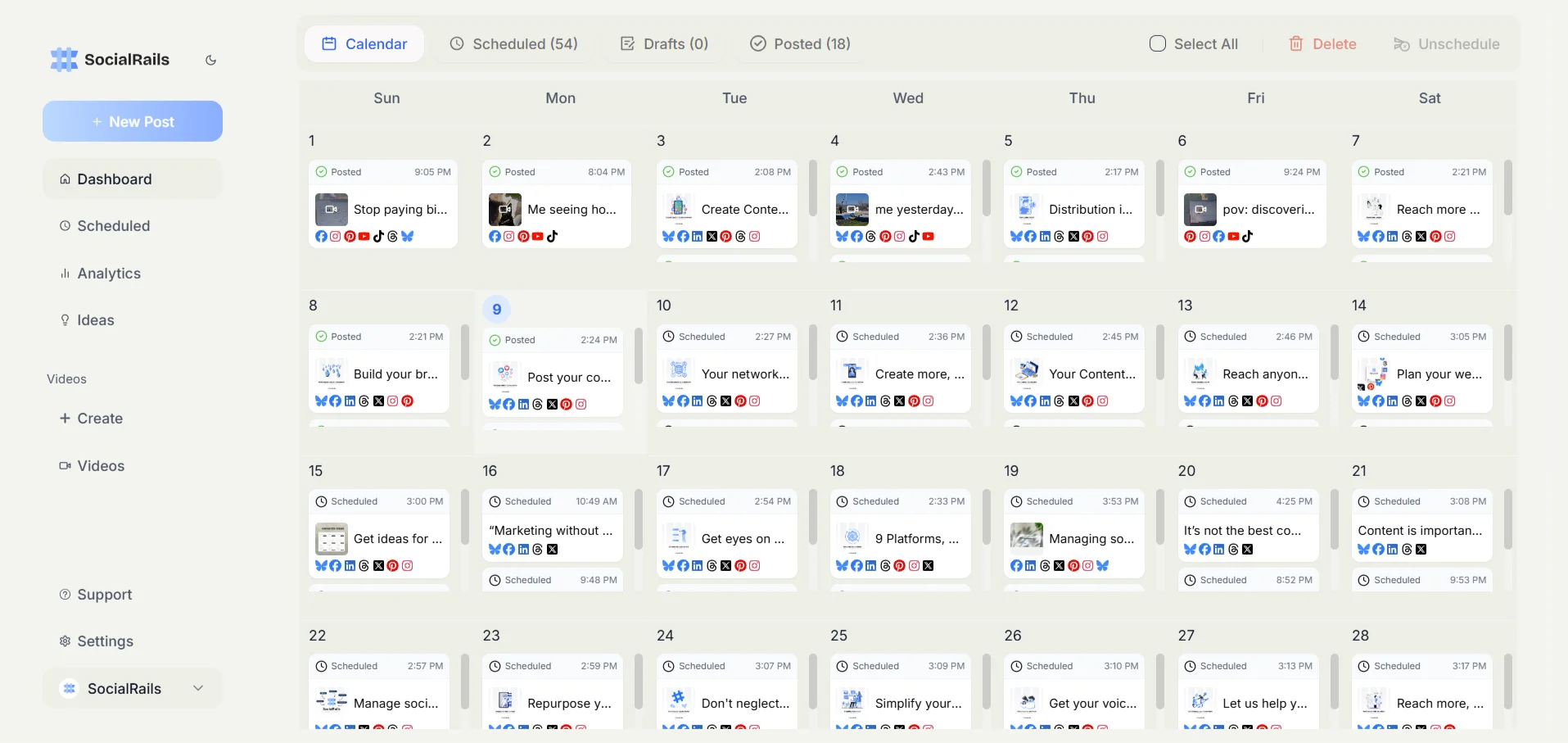
What Is the Curiosity Gap?
The curiosity gap is the space between what someone knows and what they want to know. When your headline or hook creates this gap, the reader feels a pull, an itch that can only be scratched by clicking, reading, or watching.
Behavioral economist George Loewenstein coined the concept in his 1994 paper on the psychology behind viral hooks. His finding: curiosity operates like hunger. Once activated, it demands to be satisfied.
What triggers the curiosity gap in a reader's mind?
Curiosity Gap vs Clickbait
There's a critical difference:
Curiosity gap creates genuine interest and delivers. Clickbait overpromises and underdelivers. Same technique. The ethics are in the follow-through.
How It Works Psychologically
Loewenstein's "information gap theory" identifies four curiosity triggers:
- A question is posed but not answered
- A sequence is started but not completed
- Expectations are violated, something surprising is hinted at
- Others know something you don't (social knowledge gap)
Your brain treats an open curiosity gap like an open browser tab. It runs in the background until resolved.
Curiosity Gap Formulas That Work
Formula 1: The Withhold
Hint at valuable information without revealing it.
- "The one metric most social media managers ignore"
- "What 10,000 Instagram accounts have in common"
- "The posting time that outperforms every other"
Formula 2: The Contrast
Show unexpected juxtaposition.
- "Why the worst-looking ad outperformed the best-designed one"
- "This 3-word email subject line beat our 12-word version"
- "The social media strategy that works by posting less"
Formula 3: The Specificity
Specific details create more curiosity than vague ones.
- "How we got 847 followers in 12 days without ads"
- "The 4:1 ratio that fixed our engagement rate"
- "Why posts at 2:17 PM outperform posts at 2:00 PM"
Formula 4: The Challenge
Question something the reader believes.
- "You're using hashtags wrong (here's proof)"
- "Everything you know about the algorithm is outdated"
- "Stop creating content calendars (do this instead)"
Which of these is the strongest curiosity gap headline?
Using the Curiosity Gap on Social Media
Instagram and TikTok Hooks
The first line of a caption or the first 2 seconds of a video must open the gap.
- First line: "I stopped posting daily and my engagement tripled."
- Video hook: "Here's why I deleted my best-performing post."
- Carousel cover: "5 things I'd do differently if I started my brand today"
LinkedIn Posts
Open with a bold statement that demands context.
- "I turned down a $50K client last week. Here's why it was the best decision I've made."
- "My team's worst campaign taught us more than our best one."
Email Subject Lines
Email open rates live and die on curiosity.
- "The mistake in your last campaign"
- "I analyzed 500 subject lines. One pattern stood out."
- "Don't open this email (unless you want more leads)"
Blog Headlines
Combine curiosity with clear value (see our guide to writing eye-catching headlines):
- "The Content Strategy That Grew Our Traffic 3x (And Why Most Guides Get It Wrong)"
- "We A/B Tested 200 Social Media Posts. Here's What Actually Works."
Common Mistakes
Opening too many gaps. One gap per piece. Multiple unresolved questions feel chaotic, not intriguing.
Never closing the gap. If you promise an insight in your hook, deliver it clearly in the content. Open gaps that never close destroy trust.
Being vague instead of curious. "Great tips inside!" isn't a curiosity gap, it's lazy. "The tip that doubled our reply rate" is specific enough to trigger curiosity.
Overusing it. If every post uses the same pattern, the audience becomes immune. Mix curiosity-driven hooks with direct-value hooks.
What's the key difference between a curiosity gap and clickbait?
Measuring Effectiveness
Track these metrics to see if your curiosity gaps are working:
- Click-through rate, are people clicking?
- Time on page / watch time, are they staying to get the answer?
- Bounce rate, are they leaving immediately (gap not satisfied)?
- Engagement rate, are they interacting with the content?
- Save/bookmark rate, high saves indicate the content delivered on its promise
Conclusion
The curiosity gap is one of the most powerful tools in content creation. Whether you're writing body copy or a social caption, it's not about tricking people, it's about giving them a reason to pay attention. Open the gap with a specific, surprising, or challenging hook. Then close it with content that's worth their click.
Write better hooks with our headline analyzer, hook generator, social media post writer, and viral reels analysis tool.
Was this article helpful?
Let us know what you think!