

How to Make Instagram Filters That Go Viral: Complete Creation Guide (2026)

⚡ Quick Start Guide
🎯 What You Need to Create Instagram Filters:
- Meta Spark AR Studio (free software)
- Basic computer (Windows or Mac)
- Creative idea for your filter
- Facebook Developer Account (free)
📱 Filter Types You Can Create:
- Face filters with effects and animations
- World filters that transform environments
- Target tracking filters for objects
- Hand tracking and gesture filters
Create content, post everywhere
Create captions, images, and videos with AI. Schedule to 9 platforms in seconds.
Start your free trial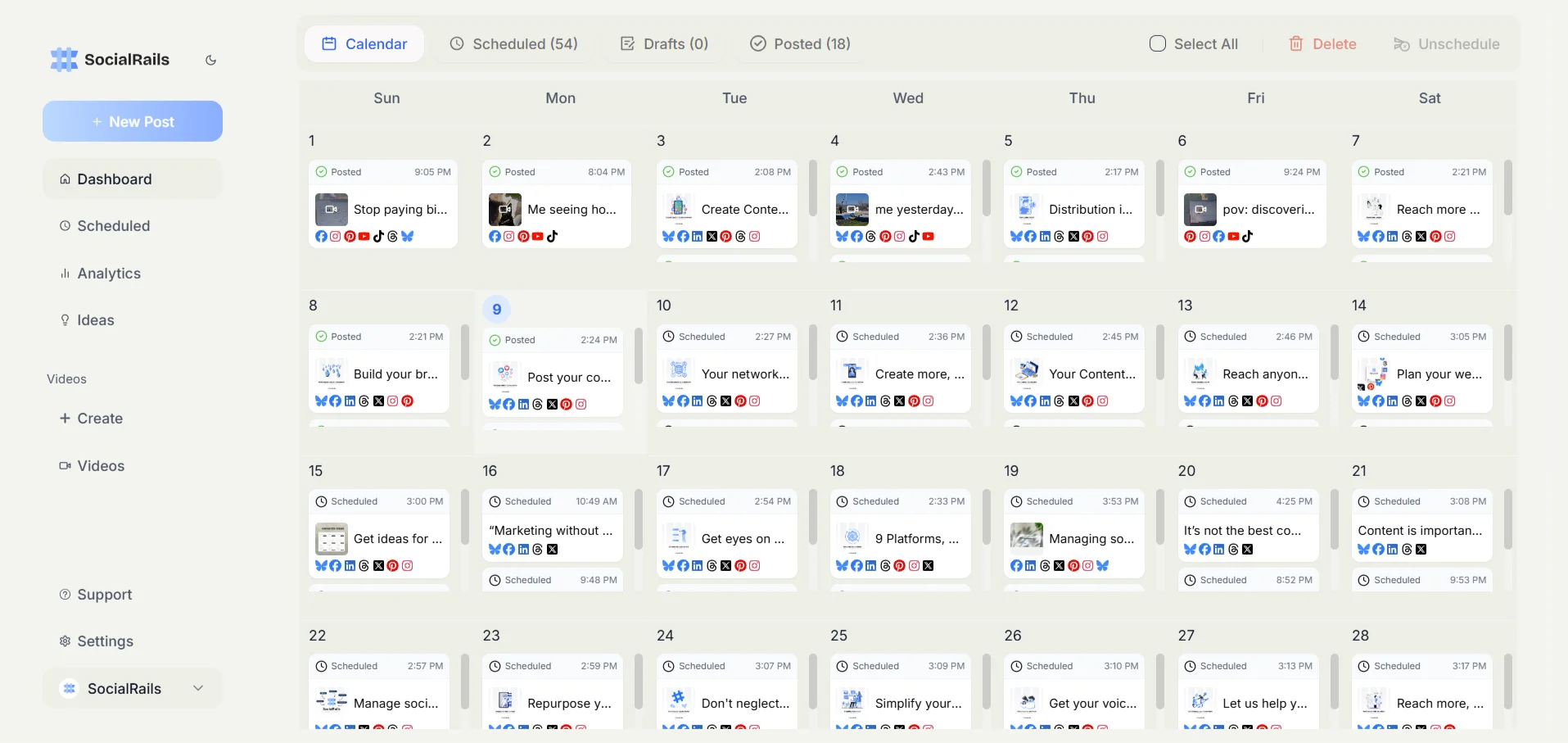
🛠️ Getting Started: Tools and Setup
Download Meta Spark AR Studio
System Requirements:
- Windows: Windows 10 (64-bit) or later
- macOS: macOS 10.14 or later
- RAM: 8GB minimum, 16GB recommended
- Graphics: Dedicated graphics card recommended
- Storage: 2GB free space
Installation Steps:
- Visit sparkar.facebook.com
- Click "Download Spark AR Studio"
- Create Facebook Developer account if needed
- Install and launch the software
- Complete the initial setup tutorial
Setting Up Your Developer Account
Required Information:
- Facebook account credentials
- Phone number verification
- Identity verification (for publishing)
- Agreement to Creator policies
- Profile and portfolio setup
Account Verification Process:
- Initial signup: Immediate access to creation tools
- Publishing filters: Requires identity verification
- Monetization: Additional requirements apply
- Business account: Additional features available
🎨 Your First Instagram Filter: Step-by-Step
Creating a Simple Face Filter
🧠 Quick Knowledge Check
What's the first thing you should do when creating a face filter in Spark AR Studio?
Step 1: Open Spark AR Studio
1. Launch Spark AR Studio
2. Select "Create Project"
3. Choose "Face Tracking" template
4. Name your project
5. Set project location
Step 2: Understanding the Interface
- Viewport: Preview your filter in real-time
- Scene Panel: Hierarchy of objects and effects
- Assets Panel: Import images, 3D models, audio
- Inspector Panel: Adjust properties and settings
- Patch Editor: Visual programming interface
Step 3: Add Your First Effect
1. Right-click in Scene Panel
2. Select "Add" > "Face Mesh"
3. Import your texture image
4. Drag texture to Face Mesh material
5. Test in viewport with webcam
Building a Simple Color Filter
Materials and Textures:
- Create material: Right-click Scene > Add > Material
- Adjust properties: Color, opacity, blending mode
- Apply to face mesh: Drag material to Face Mesh
- Fine-tune settings: Experiment with blend modes
- Test variations: Try different colors and opacity
Adding Animation:
1. Select your material
2. Go to Inspector Panel
3. Add Animation > Texture Transform
4. Set keyframes for movement
5. Adjust timing and easing
🎭 Advanced Filter Types
Face Distortion Effects
Popular Face Effect Ideas:
- Big eyes and small mouth: Classic beauty filter
- Animal features: Ears, nose, whiskers
- Aging or baby face: Time transformation
- Makeup effects: Lipstick, eyeshadow, blush
- Accessories: Glasses, hats, jewelry
Technical Implementation:
Face Distortion Process:
1. Add Face Mesh to scene
2. Import displacement texture
3. Apply to Face Mesh material
4. Adjust displacement strength
5. Fine-tune face tracking points
World Effects and Background Filters
Environment Transformation:
- Background replacement: Custom scenes and locations
- Particle effects: Rain, snow, sparkles, confetti
- Color grading: Vintage, neon, black and white
- Lighting effects: Dramatic shadows and highlights
- Object placement: Virtual furniture, decorations
World Anchor Setup:
1. Add Plane Tracker to scene
2. Create 3D objects or import models
3. Position objects in world space
4. Set up realistic lighting
5. Test tracking stability
Interactive Filters
Gesture and Touch Controls:
- Tap to trigger: Animations on screen tap
- Mouth open detection: Effects when mouth opens
- Eyebrow raise: Surprise or expression triggers
- Hand gestures: Peace sign, thumbs up recognition
- Blinking: Eye blink activated animations
Implementation Example:
Tap Trigger Setup:
1. Add Screen Tap patch
2. Connect to Animation Playback
3. Set animation parameters
4. Test touch responsiveness
5. Optimize for mobile performance
🎯 Filter Design Best Practices
Visual Design Principles
Mobile-First Design:
- High contrast: Maintain visibility in various lighting
- Simple elements: Avoid cluttered or complex designs
- Readable text: Large fonts with clear backgrounds
- Brand consistency: Match your visual identity
- Cultural sensitivity: Consider global audience
Technical Optimization:
- Low poly models: Keep 3D objects simple
- Compressed textures: Use appropriate file sizes
- Efficient animations: Smooth performance on all devices
- Battery consideration: Minimize processing intensity
- Memory usage: Stay within platform limits
User Experience Focus
Intuitive Interaction:
- Clear instructions: Show users how to interact
- Immediate feedback: Responsive visual/audio cues
- Fail-safe design: Work even with poor face tracking
- Universal appeal: Consider diverse face shapes/sizes
- Accessibility: Include users with different abilities
Testing Checklist:
✓ Works in different lighting conditions
✓ Performs well on various devices
✓ Clear and intuitive to use
✓ Appropriate for target audience
✓ No offensive or inappropriate content
📱 Publishing Your Instagram Filter
Submission Process
Pre-Submission Requirements:
- Filter testing: Thorough testing on multiple devices
- Performance optimization: Smooth operation required
- Content compliance: Following community guidelines
- Preview video: 15-second demonstration video
- Icon creation: Square thumbnail for filter browsing
Submission Steps:
1. Click "Upload" in Spark AR Studio
2. Add filter name and description
3. Select appropriate categories
4. Upload preview video and icon
5. Submit for review
Review and Approval
| Review Stage | Timeline | What Happens |
|---|---|---|
| Initial Review | 1-5 business days | Technical and content compliance check |
| Approval | Email notification | Filter goes live on Instagram |
| Rejection | Within review period | Specific feedback provided for fixes |
| Resubmission | After fixes | New review cycle begins |
❌ Common Rejection Reasons
- • Performance Issues: Slow or laggy on mobile devices
- • Content Violations: Inappropriate messaging or imagery
- • Legal Issues: Copyright or trademark violations
- • Technical Bugs: Crashes or functionality problems
- • Testing Gaps: Insufficient device testing documentation
🎯 Filter Success Quiz
What's the most important factor for getting your filter approved quickly?
🚀 Growing Your Filter's Reach
Launch Strategy
Organic Promotion:
- Personal use: Use your filter in your own stories
- Influencer outreach: Partner with content creators
- Social media promotion: Share creation process
- Community engagement: Participate in AR communities
- Cross-platform sharing: Use on Facebook and Instagram
Hashtag Strategy:
Filter-Specific Tags:
#ARfilter #InstagramFilter #SparkAR
#FilterCreator #AugmentedReality

Trend-Based Tags:
#FilterChallenge #TryThisFilter
#NewFilter #ViralFilter #FilterFun
Tracking Performance
Key Metrics to Monitor:
- Impressions: How many people see your filter
- Captures: Stories and posts using your filter
- Shares: How often others share content with it
- Demographics: Age, location, and gender data
- Retention: Return usage and engagement patterns
Analytics Dashboard: Access through Spark AR Hub to see:
- Real-time usage statistics
- Geographic distribution
- Device performance data
- User engagement patterns
- Trend analysis over time
💡 Creative Filter Ideas That Go Viral
Trending Filter Categories
Beauty and Style:
- Makeup try-on: Virtual lipstick, eyeshadow, blush
- Hair color change: Different shades and styles
- Skincare effects: Smooth skin, glow effects
- Accessory filters: Earrings, necklaces, glasses
- Age transformation: Younger or older appearance
Fun and Entertainment:
- Animal transformation: Dog, cat, bunny features
- Fantasy creatures: Dragon, unicorn, fairy effects
- Pop culture references: Movie/TV show themes
- Seasonal content: Holiday and event-specific
- Meme-inspired: Current internet culture trends
Interactive and Gamified:
- Quiz filters: Answer questions with head nods
- Fortune telling: Random predictions and advice
- Matching games: Find objects or colors
- Dance challenges: Rhythm-based interactions
- Transformation reveals: Before/after effects
Unique Filter Concepts
Storytelling Filters:
- Multi-scene narratives
- Character development arcs
- Choose-your-own-adventure elements
- Educational content integration
- Historical or cultural experiences
Utility Filters:
- Virtual backgrounds: Professional meeting setups
- Measurement tools: Size and distance estimation
- Color matching: Interior design assistance
- Language learning: Vocabulary and pronunciation
- Meditation guides: Calming visual experiences
🔧 Advanced Techniques and Features
Complex Animations
Timeline Animation:
1. Add Animation patches
2. Set keyframes for properties
3. Adjust easing curves
4. Loop or sequence animations
5. Synchronize multiple elements
Reactive Animations:
- Audio-driven: Music visualization effects
- Movement-triggered: Head rotation responses
- Expression-based: Smile, frown, surprise reactions
- Time-based: Slow or fast motion effects
- Random elements: Unpredictable variations
3D Model Integration
Model Preparation:
- Low polygon count: Optimize for mobile performance
- Proper UV mapping: Texture application
- Animation rigging: Skeletal animation setup
- File format: .fbx or .gltf preferred
- Size optimization: Compress without quality loss
Implementation Process:
1. Import 3D model to Assets
2. Add to Face Tracker or World Anchor
3. Scale and position appropriately
4. Apply materials and textures
5. Test performance and appearance
Patch Editor Mastery
Visual Programming Concepts:
- Input/Output patches: Data flow connections
- Math operations: Calculations and transformations
- Logic gates: Conditional behaviors
- Time-based functions: Delays and timers
- Random generators: Unpredictable elements
Advanced Patch Techniques:
- Custom shader creation: Unique visual effects
- Particle system control: Complex particle behaviors
- Audio analysis: Sound-reactive visual elements
- Device sensors: Gyroscope and accelerometer data
- Network requests: External data integration
🎪 Monetization and Business Opportunities
Revenue Streams
Direct Monetization:
- Brand partnerships: Sponsored filter creation
- Commission work: Custom filters for businesses
- Filter licensing: Sell rights to use your filters
- Educational content: Tutorials and courses
- Consultation services: AR strategy and implementation
Indirect Benefits:
- Portfolio building: Showcase creativity and skills
- Audience growth: Build following through viral filters
- Skill development: Learn AR/VR development
- Network expansion: Connect with other creators
- Career opportunities: Job offers in AR industry
Business Applications
Marketing and Advertising:
- Product try-on: Virtual product testing
- Brand awareness: Interactive brand experiences
- Event promotion: Special occasion filters
- User-generated content: Encourage sharing
- Data collection: Insights into user preferences
Education and Training:
- Historical recreation: Experience past events
- Science visualization: Complex concept explanation
- Language learning: Interactive vocabulary building
- Medical training: Anatomy and procedure practice
- Cultural education: Immersive cultural experiences
📊 Success Metrics and Optimization
Performance Analysis
Engagement Metrics:
High-Performing Filters Show:
- 100k+ impressions within first month
- Strong capture rate (captures/impressions)
- Sustained growth over 3+ months
- High share-to-capture ratio
- Geographic spread beyond creator's location
Optimization Strategies:
- A/B testing: Try different versions
- User feedback: Listen to comments and suggestions
- Performance monitoring: Watch technical metrics
- Trend adaptation: Update for current trends
- Cross-promotion: Collaborate with other creators
Long-term Strategy
Building a Filter Portfolio:
- Diverse content: Various filter types and styles
- Seasonal updates: Refresh filters for holidays
- Trend responsiveness: Quick turnaround on viral topics
- Quality consistency: Maintain high standards
- Brand development: Create recognizable style
Community Building:
- Creator networks: Connect with other filter makers
- User communities: Engage with filter users
- Educational sharing: Teach others your techniques
- Collaboration opportunities: Work with brands/creators
- Industry involvement: Participate in AR conferences
Related Resources
Master your complete Instagram presence with our Best Instagram Marketing Strategies and optimize your visual content with our Instagram Stories Dimensions Guide.
Improve your filter promotion strategy using our Instagram Tools Collection including hashtag generators and engagement calculators.
Conclusion
Creating Instagram filters opens up a world of creative and business opportunities. With Meta Spark AR Studio, you can bring your imagination to life and potentially reach millions of users worldwide.
Remember: successful filters combine technical skill with creative vision and understanding of user behavior. Start simple, learn continuously, and always prioritize user experience over complex features.
The key is consistent creation, strategic promotion, and building genuine connections with your audience. Your next filter could be the one that goes viral and launches your AR career!
Was this article helpful?
Let us know what you think!