

How to Write a Newsletter: Complete Guide with Examples (2026)

120+ emails daily hit the average inbox. Most newsletters? Archived instantly.
What makes people actually read yours? Consistent value delivery that respects their time.
Skip to: Newsletter Formula | Subject Lines | Examples
Create content, post everywhere
Create captions, images, and videos with AI. Schedule to 9 platforms in seconds.
Start your free trial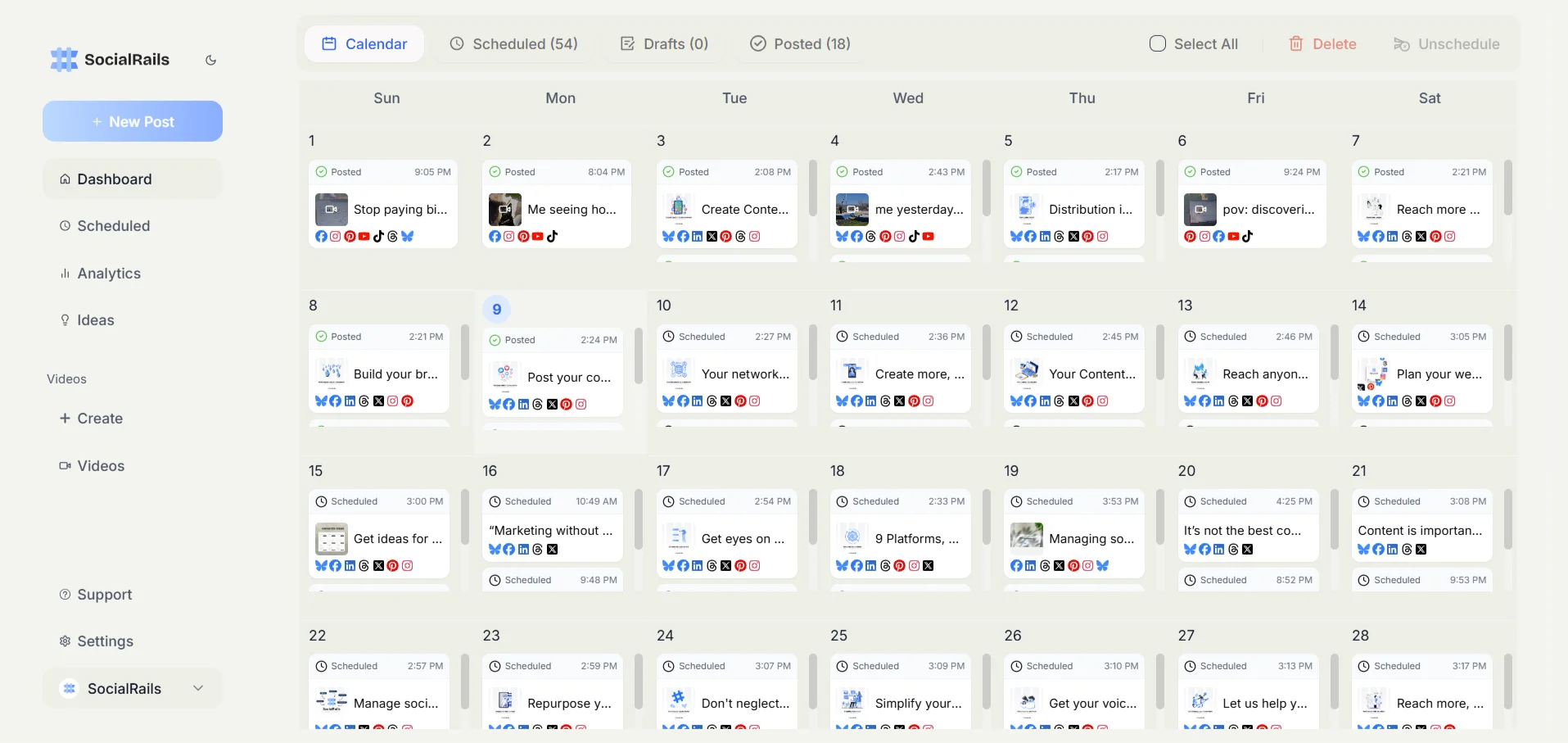
The Newsletter Value Equation
Readers ask: "Is this worth 3-5 minutes of my time?"
Your newsletter must deliver:
- Information they can't easily find elsewhere
- Insights that save them time
- Entertainment that enriches their day
- Or actionable advice they can use immediately
If you're not providing at least one of these, you're just adding noise.
Newsletter Structure Formula
The Optimal Format
1. Hook (1-2 sentences)
   - Why should they read today?

2. Main content (80% of newsletter)
   - Your core value delivery

3. CTA or next step (1-2 sentences)
   - What should they do next?

4. Sign-off
   - Personal, consistent
Content Structures That Work
The Curator Model
- Collect the best content on a topic
- Add your brief analysis
- Example: Morning Brew, TLDR
The Original Insight Model
- Share your unique perspective
- Deep analysis or hot takes
- Example: Stratechery, Lenny's Newsletter
The Teaching Model
- Step-by-step guidance
- Practical frameworks
- Example: Dickie Bush, Ali Abdaal
The News + Analysis Model
- Industry news summary
- Your expert commentary
- Example: The Hustle, Axios
What's the first thing readers ask when your newsletter lands in their inbox?
Writing the Perfect Subject Line
Subject Line Formula
Subject Line Best Practices
Do:
- • Keep under 50 characters
- • Front-load important words
- • Be specific about content
- • Test consistently
- • Match subject to content
Don't:
- • Use ALL CAPS
- • Excessive punctuation!!!
- • Clickbait that doesn't deliver
- • Generic subjects ("Newsletter #47")
- • Spam trigger words
Subject Line Examples by Open Rate
High performers (35%+ open rate):
- "The zero-dollar marketing strategy that built a $10M company"
- "I analyzed 1,000 LinkedIn posts. Here's what works."
- "Your weekly digest is ready"
- "This changed how I think about pricing"
Average performers (20-25%):
- "Newsletter Issue #23"
- "Updates from [Brand]"
- "New blog post!"
- "Monthly roundup"
Writing Engaging Content
The First Line Matters
Your first line shows in email previews. Make it count.
Good first lines:
- "Last week, I made a $50,000 mistake."
- "Here's what nobody tells you about going viral:"
- "3 minutes. 5 insights. Let's go."
- "The data is in, and it's surprising."
Bad first lines:
- "Hi, hope you're doing well!"
- "Welcome to this week's newsletter."
- "In this issue, we'll cover..."
Formatting for Skimmability
Most readers scan before reading. Format accordingly:
- Short paragraphs (2-3 sentences max)
- Clear headings to segment content
- Bold key points so scanners catch them
- Bullet lists for multiple items
- White space between sections
- One idea per paragraph
Writing Voice and Tone
Write like you talk:
- Use "you" and "I"
- Contractions are fine
- Skip corporate jargon
- Be direct, not verbose
Find your consistent voice:
Newsletter Templates
Template 1: The Curator (5-minute read)
# This Week in [Topic]

Hey [First Name],

[One-sentence hook about this week's theme]

---

**📌 Story #1: [Headline]**
[2-3 sentence summary]
[Your take in 1-2 sentences]
[Link]

**📌 Story #2: [Headline]**
[2-3 sentence summary]
[Your take in 1-2 sentences]
[Link]

**📌 Story #3: [Headline]**
[2-3 sentence summary]
[Your take in 1-2 sentences]
[Link]

---

**💡 Tool of the Week**
[Brief recommendation]

---

That's it for this week.
[Sign-off],
[Name]
Template 2: The Teacher (10-minute read)
# [How to / The Guide to / X Ways to] [Outcome]

Hey [First Name],

[Personal hook or story - 2-3 sentences]

Here's what we'll cover:
1. [Point 1]
2. [Point 2]
3. [Point 3]

---

## [Point 1 Heading]

[Explanation - 150-200 words]

**Action step:** [Specific thing reader can do]

---

## [Point 2 Heading]

[Explanation - 150-200 words]

**Action step:** [Specific thing reader can do]

---

## [Point 3 Heading]

[Explanation - 150-200 words]

**Action step:** [Specific thing reader can do]

---

**TL;DR:**
- [Key takeaway 1]
- [Key takeaway 2]
- [Key takeaway 3]

[CTA if applicable]

[Sign-off],
[Name]
Template 3: The Weekly Digest
# [Newsletter Name] | [Date]

Happy [Day], [First Name].

[One personal sentence about your week or a timely observation]

---

## 🔥 What's Hot

[Your main piece of content for the week]

---

## 📊 By the Numbers

[3-5 interesting stats or data points]

---

## 🛠 Resources

- [Resource 1] - [One-line description]
- [Resource 2] - [One-line description]
- [Resource 3] - [One-line description]

---

## 💬 Quote of the Week

"[Relevant quote]" — [Attribution]

---

See you next [Day],
[Name]

P.S. [Optional: promotion, request, or personal note]
Building Your Newsletter Workflow
Weekly Schedule
Quality Checklist
Before every send:
- Subject line tested on mobile
- First line hooks immediately
- Content delivers on subject promise
- Links all work
- Images have alt text
- CTA is clear
- Unsubscribe link visible
- Proofread twice
Measuring Newsletter Success
Key Metrics
What to Test
Subject lines:
- Length (short vs. descriptive)
- Emojis vs. no emojis
- Questions vs. statements
- Numbers vs. no numbers
Content:
- Length (short vs. long)
- Format (text-only vs. designed)
- Link placement
- CTA wording
Timing:
- Day of week
- Time of day
- Frequency
Common Newsletter Mistakes
1. Inconsistent sending
- Fix: Set a schedule and stick to it
2. No clear value proposition
- Fix: Define why someone should subscribe
3. Writing for everyone
- Fix: Pick a specific audience
4. No personality
- Fix: Let your voice come through
5. Only promoting yourself
- Fix: 80% value, 20% promotion
6. Too long or too short
- Fix: Match length to content type
7. Ignoring replies
- Fix: Respond to every reply (or most)
Growing Your Newsletter
Sustainable growth tactics:
- Consistent quality (word of mouth)
- Cross-promotion with similar newsletters
- Social media content → newsletter CTA
- Guest posts with newsletter mention
- Referral program
What doesn't work long-term:
- Buying email lists
- Misleading opt-ins
- Sending without permission
- Inconsistent quality
Bottom Line
Writing newsletters that people actually read comes down to:
- Clear value. What do readers get?
- Consistent format. What can they expect?
- Respect for time. Is every word earning its place?
- Authentic voice. Does it sound like a human?
- Regular schedule. Can they count on you?
Start simple, improve based on data, and always put the reader first.
Create content, post everywhere
Create captions, images, and videos with AI. Schedule to 9 platforms in seconds.
Start your free trialRelated Resources
- Newsletter Name Ideas
- Email Marketing Strategy Guide
- Content Development Guide
- Content Calendar Creation Guide
- Email Marketing for Small Business
- Best Email Marketing Tools
- Email Subject Line Generator
- Email Sequence Generator
- Content Calendar Generator
Was this article helpful?
Let us know what you think!