

Influencer Collaboration Guide: How to Partner with Creators in 2026

Influencer Collaboration Guide: Partner with Creators That Drive Results
Influencer collaborations put your brand in front of engaged audiences through trusted voices. This guide covers everything from finding the right creators to measuring campaign success.
Create content, post everywhere
Create captions, images, and videos with AI. Schedule to 9 platforms in seconds.
Start your free trial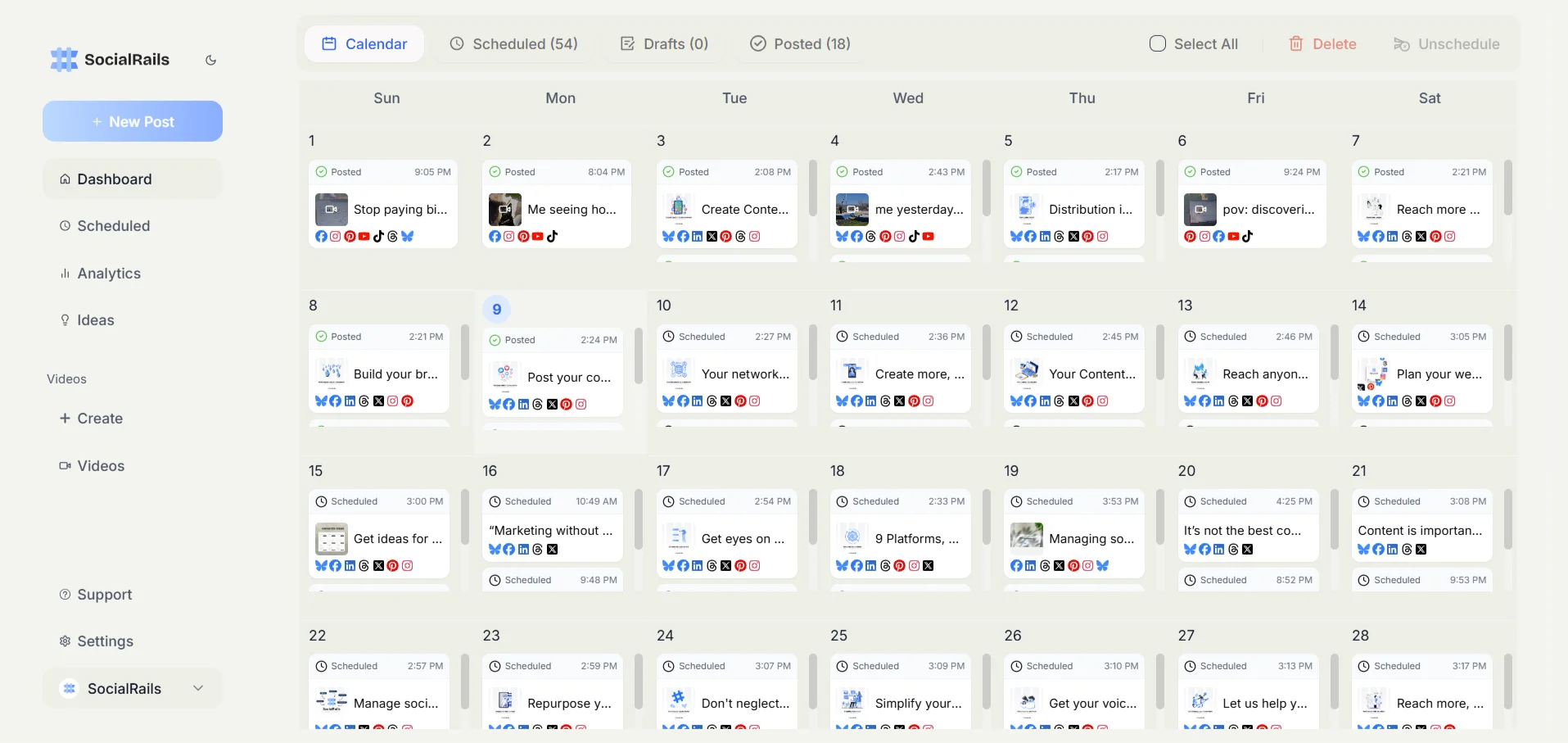
Types of Influencer Collaborations
Finding the Right Influencers
Influencer Tiers
Which tier to choose:
- Limited budget → Nano/micro (often best ROI)
- Awareness campaigns → Mid-tier/macro
- Niche targeting → Nano/micro with specific audiences
- Mass market launch → Macro/mega
Which influencer tier typically delivers the BEST ROI for most brands?
Where to Find Influencers
Platform-specific search:
- Instagram: Search hashtags, explore page, competitor followers — see our guide to finding Instagram influencers
- TikTok: Search sounds, hashtags, "For You" page
- YouTube: Search keywords, browse related channels
- LinkedIn: Search by job title, industry topics
Influencer databases:
- SocialRails Influencer Database
- Influencity (200M+ profiles, from $168/mo)
- Upfluence
- Aspire
- Grin
- CreatorIQ
Manual research methods:
- Search branded hashtags from competitors
- Review who tags similar brands
- Check comments on competitor posts
Outreach tools:
- Influencer Outreach Email Generator for personalized pitch emails
- Ask existing customers who they follow
Vetting Influencers
Check before reaching out:
-
Engagement rate: Calculate (likes + comments) / followers × 100
- Instagram: 2-3% good, 4%+ excellent
- TikTok: 4-6% good, 8%+ excellent
-
Audience authenticity:
- Follower growth (sudden spikes = suspicious)
- Comment quality (generic vs. meaningful)
- Follower/following ratio
- Use tools: HypeAuditor, Social Blade
-
Content quality:
- Production value
- Caption quality
- Consistent posting
- Brand aesthetic alignment
-
Audience demographics:
- Location match your market
- Age range fits your customer
- Interests align with product
-
Brand safety:
- Past controversial content
- Political stances
- Competitor partnerships
How to Approach Influencers
Research First
Before reaching out:
- Follow them for 1-2 weeks
- Engage genuinely with their content
- Understand their content style
- Note what brands they've worked with
Outreach Methods
Direct Message (Instagram/TikTok): Best for nano/micro influencers
Email: Best for mid-tier+ (check bio for business email)
Through management: Required for macro/mega influencers
Outreach Template
Subject: Collaboration with [Brand Name] - [Specific Idea]
Body:
Hi [Name],

I've been following your content for [timeframe] and loved your recent [specific post/video about topic]. [Genuine observation about their work].

I'm [Your Name] from [Brand], and we [brief company description]. I think your audience would genuinely benefit from [your product/service] because [reason tied to their audience].

I'd love to explore a collaboration. Here's what I'm thinking:
- [Specific collaboration idea]
- [What's in it for them]
- [Timeline if relevant]

Would you be interested in chatting more? I'm happy to send over samples or jump on a quick call.

Best,
[Your Name]
[Your Title]
[Brand]
What NOT to Do
- Send generic copy-paste messages
- Ask for free promotion
- Be vague about compensation
- Ignore their content style in your pitch
- Rush them for responses
- Demand specific post times without discussion
Negotiating Influencer Deals
Understanding Influencer Pricing
Factors affecting rates:
- Follower count
- Engagement rate
- Content type (static vs. video)
- Usage rights
- Exclusivity period
- Platform
- Niche (some command premium)
General pricing formulas:
- Instagram post: $100 per 10K followers
- Instagram Story: 25-50% of post rate
- TikTok video: $100-250 per 10K followers
- YouTube integration: $500-5,000 per 100K subscribers
What to Negotiate
Deliverables:
- Number of posts/videos
- Platforms included
- Content format (static, video, Story, Reel)
- Revision rounds
- Caption requirements
Usage rights:
- Organic social only
- Paid amplification (whitelisting)
- Website/email usage
- Duration of rights
Exclusivity:
- Category exclusivity
- Duration
- Competitor definition
Timeline:
- Content delivery date
- Review period
- Posting schedule
- Campaign duration
Compensation Models
Flat fee:
- One-time payment per deliverable
- Simple, predictable
- Best for awareness campaigns
Product only (gifting):
- Free product in exchange for content
- Works for nano influencers
- Never guaranteed coverage
Affiliate/commission:
- Pay per sale generated
- Performance-based
- Typical: 10-30% commission
- Requires tracking (codes, links)
Hybrid:
- Smaller flat fee + commission
- Balances guaranteed income and performance incentive
Long-term retainer:
- Monthly payment for ongoing relationship
- Usually 3-12 month contracts
- Discounted per-post rate
What's a RED FLAG when vetting influencers?
Creating Influencer Contracts
Essential Contract Elements
Parties and term:
- Brand and influencer legal names
- Campaign start and end dates
- Contract effective date
Scope of work:
- Specific deliverables
- Platforms
- Content specifications
- Posting schedule
Compensation:
- Payment amount
- Payment terms (net 30, etc.)
- Product value (if gifted)
- Bonus structure (if applicable)
Content requirements:
- Brand mentions
- Required hashtags (#ad, #sponsored)
- Links/tags to include
- Messaging guidelines
- What to avoid
Approval process:
- Draft submission deadline
- Review period (24-72 hours)
- Number of revision rounds
- Final approval timeline
Usage rights:
- Rights granted to brand
- Duration of rights
- Geographic scope
- Paid amplification permission
Exclusivity:
- Competitor definition
- Exclusivity period
- Category restrictions
FTC compliance:
- Disclosure requirements
- Hashtag requirements
- Platform-specific rules
Termination:
- Conditions for termination
- Notice period
- Payment for completed work
FTC Disclosure Requirements
Required disclosures:
- Any material connection must be disclosed
- Disclosure must be clear and conspicuous
- Platform-native labels preferred
Acceptable disclosures:
- #ad or #sponsored (beginning of caption)
- Paid partnership label (Instagram)
- "Sponsored" badge
- Verbal disclosure in videos
NOT acceptable:
- #sp (too ambiguous)
- Buried at end of hashtag list
- Only in Stories (not permanent posts)
- Hidden in "more" text
Managing Influencer Campaigns
Campaign Brief Template
Campaign overview:
- Campaign name
- Goal and KPIs
- Timeline
- Budget
Brand information:
- Brand story
- Key messages
- Brand voice
- Visual guidelines
Product information:
- Product being promoted
- Key features/benefits
- Unique selling points
- Pricing/availability
Content guidelines:
- Do's and don'ts
- Required elements
- Suggested talking points
- Example content
Logistics:
- Product shipping
- Discount codes
- Tracking links
- Contact person
Content Review Process
Step 1: Draft submission
- Set clear deadline (5-7 days before posting)
- Request caption + visual together
Step 2: Review
- Check brand guidelines compliance
- Verify FTC disclosure
- Review messaging accuracy
- Assess content quality
Step 3: Feedback
- Be specific and constructive
- Limit to essential changes
- Respect creator's style
- Document all feedback in writing
Step 4: Approval
- Confirm final approval in writing
- Specify posting date/time
- Confirm all links/codes work
Campaign Tracking
Metrics to track:
Tools for tracking:
- Google Analytics (UTM tracking)
- Bit.ly (link tracking)
- Shopify/platform discount codes
- Influencer marketing platforms
Influencer Collaboration Ideas
Product-Focused
Unboxing: Influencer opens and reacts to product arrival
Tutorial/How-to: Demonstrate product usage with tips
Comparison: Compare your product to alternatives (with disclosure)
Day-in-the-life: Show product integrated into daily routine
Engagement-Focused
Giveaway: Partner on contest with product prizes
Q&A: Influencer answers audience questions about product
Challenge: Create branded challenge for audience participation
Takeover: Influencer controls brand account temporarily
Content-Focused
Behind-the-scenes: Show brand operations, production, team
Event coverage: Influencer attends and shares brand event
Co-creation: Develop product or collection together
User-generated content: Influencer's content used in brand marketing
Measuring Influencer Collaboration ROI
Calculate True Cost
Total investment:
- Influencer fee
- Product cost
- Shipping
- Agency fees (if applicable)
- Platform fees
- Staff time
Calculate Returns
Direct returns:
- Revenue from tracked sales
- Email signups generated
- App downloads
- Lead form submissions
Indirect returns:
- Brand awareness lift
- Social following growth
- Content for repurposing
- Audience insights
ROI Formula
ROI = (Revenue Generated - Total Cost) / Total Cost × 100
Example:
- Influencer cost: $2,000
- Product cost: $200
- Revenue generated: $8,000
- ROI = ($8,000 - $2,200) / $2,200 × 100 = 264%
How do you calculate influencer marketing ROI?
EMV (Earned Media Value)
Calculate what you would have paid for equivalent exposure:
EMV = (Impressions × CPM) / 1,000
Example:
- Post reached 500,000 impressions
- Your average CPM is $10
- EMV = (500,000 × $10) / 1,000 = $5,000
Building Long-Term Influencer Relationships
Why Long-Term Beats One-Off
- Audience trust builds over time
- Better content (influencer knows brand)
- Cost efficiency (bulk rates)
- Authentic advocacy
- Predictable pipeline
Creating Ambassador Programs
Structure:
- Select top-performing influencers
- Offer long-term contract (6-12 months)
- Provide monthly deliverables
- Include exclusivity
- Add performance bonuses
Ambassador benefits:
- Predictable income
- Deeper brand relationship
- Early product access
- Exclusive events
- Higher commission rates
Brand benefits:
- Consistent content
- Reliable partners
- Authentic advocacy
- Category exclusivity
- Better rates
Maintaining Relationships
- Regular check-ins (monthly)
- Share performance data
- Send new products first
- Invite to brand events
- Celebrate their wins
- Pay on time, every time
FAQs
How much should I pay influencers?
General guideline: $100 per 10,000 followers for Instagram posts. TikTok is similar or slightly higher. Adjust based on engagement rate, niche, content type, and usage rights. Nano influencers may accept product-only, while micro+ expect payment. Always research industry benchmarks and start negotiations with a specific offer.
How do I know if an influencer has fake followers?
Red flags: Sudden follower spikes (check Social Blade), low engagement relative to followers (<1% on Instagram), generic/emoji-only comments, follower/following ratio close to 1:1, followers from irrelevant locations. Use tools like HypeAuditor or Grin for audience authenticity scores. Request analytics screenshots before signing.
Should I work with one big influencer or many small ones?
For most brands, multiple nano/micro influencers outperform single macro influencers. Smaller creators have higher engagement, more authentic relationships, and lower risk. Macro influencers are better for mass awareness or credibility plays. Test both approaches with small budgets before committing.
What if an influencer's content doesn't perform well?
Don't judge a single post too harshly—results vary. If working with multiple influencers, expect some underperformance. For future campaigns: require performance guarantees, structure compensation with base + bonus, request past campaign metrics, and focus on engagement rate over follower count when selecting influencers.
How do I approach influencers who haven't worked with brands before?
Be more educational in your outreach—explain what a collaboration involves, be specific about compensation, and offer guidance through the process. These influencers often provide exceptional value (authentic, engaged audiences) but may need hand-holding. Include clear brief and offer to answer questions. The relationship can become very valuable long-term.
Related Resources:
- Travel Agency Marketing Ideas - Influencer partnerships for travel businesses
- Brand Partnerships Guide (Influencer Perspective)
- Influencer Marketing for Small Businesses
- How to Contact Influencers
- Influencer Pay Per Post Rates
- Pinterest Influencer Marketing
- YouTube Influencer Marketing
Related Tools:
- Influencer Rate Calculator
- Influencer Database
- Instagram Engagement Calculator
- Sponsored Post Rate Calculator
Ready to launch influencer campaigns? Try SocialRails for scheduling, analytics, and campaign management.
Create content, post everywhere
Create captions, images, and videos with AI. Schedule to 9 platforms in seconds.
Start your free trialWas this article helpful?
Let us know what you think!