

47 Marketing Tactics That Actually Work (Complete List for 2026)

Every marketing strategy needs tactics to make it real.
Strategy is the plan. Tactics are the plays.
This is your complete list of marketing tactics that work in 2026, organized by channel with clear implementation steps.
Create content, post everywhere
Create captions, images, and videos with AI. Schedule to 9 platforms in seconds.
Start your free trial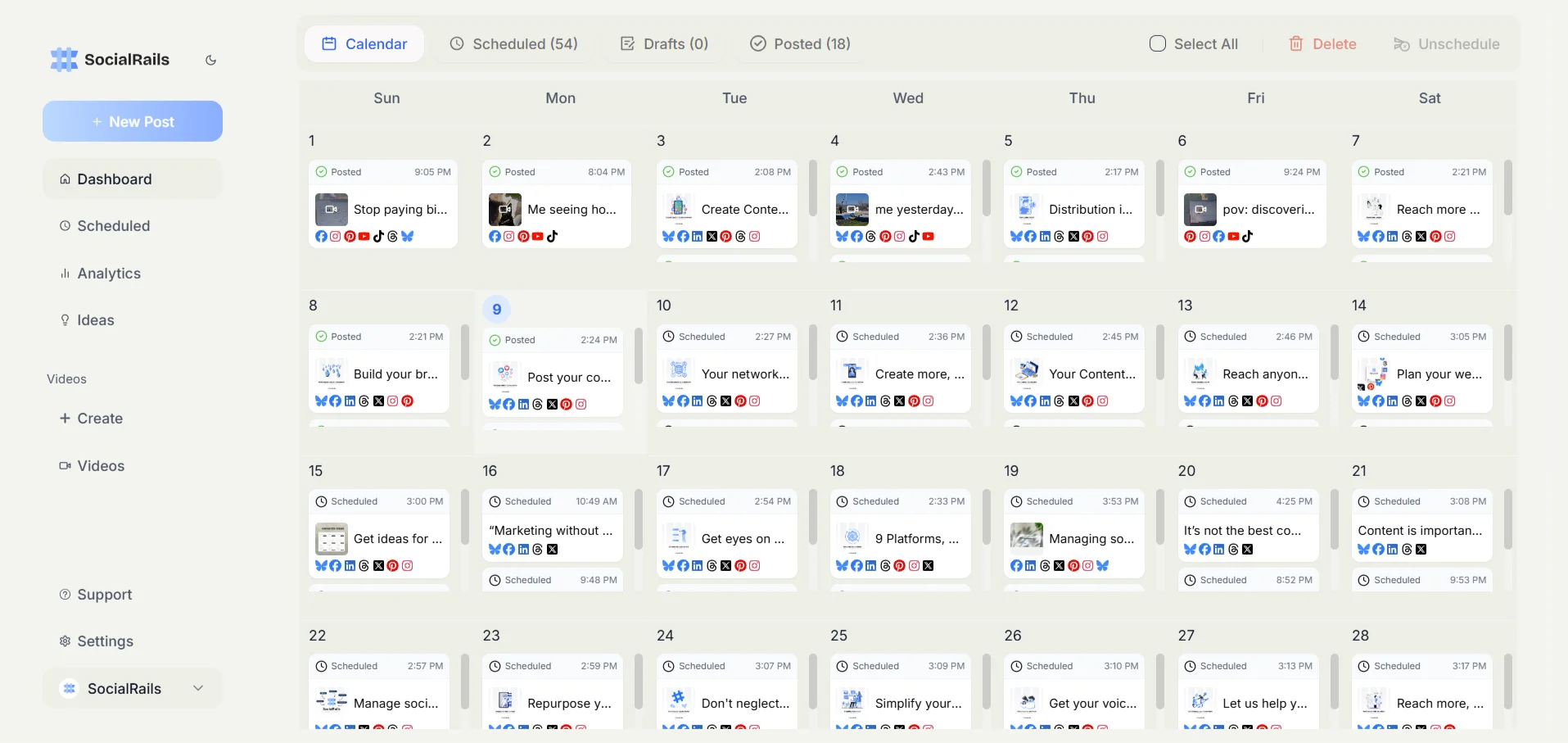
Marketing Strategy vs. Marketing Tactics
Before diving in, let's clarify the difference.
The relationship: Strategy decides direction. Tactics get you there.
A common mistake is jumping straight to tactics without strategy. You end up busy but not effective.
Content Marketing Tactics
1. Pillar Content Strategy
Create comprehensive guides that become the foundation for related content.
How to implement:
- Pick 3-5 core topics your audience cares about
- Create a 3,000+ word definitive guide for each
- Build 10-20 supporting articles per pillar
- Interlink everything
Measure: Organic traffic, time on page, backlinks
2. Content Repurposing
One piece of content becomes many.
Result: 7x content output without 7x effort.
3. User-Generated Content
Let customers create content for you.
Tactics:
- Branded hashtag campaigns
- Photo/video contests
- Customer spotlight features
- Review generation programs
- Community challenges
Why it works: 79% of people say UGC influences their purchase decisions.
4. Thought Leadership
Position team members as industry experts.
Channels to use:
- LinkedIn articles and posts
- Guest posts on industry publications
- Podcast appearances
- Conference speaking
- Quote contributions to journalists
5. Content Upgrades
Offer bonus content in exchange for email addresses.
Examples:
- Checklist version of a how-to post
- Template related to the topic
- Extended version with more examples
- Video walkthrough of written content
- Spreadsheet or calculator tool
6. Original Research
Publish data others will cite and link to.
Options:
- Survey your audience
- Analyze your own data
- Compile industry statistics
- Benchmark studies
Measure: Backlinks, press mentions, social shares
7. Content Refresh
Update old content instead of always creating new.
What to refresh:
- Posts with declining traffic
- Content with outdated statistics
- Pages ranking on page 2 (close to page 1)
- High-traffic posts that could convert better
Process: Update stats, add new sections, improve formatting, republish with current date.
Social Media Marketing Tactics
8. Community Building
Create spaces where your audience connects.
9. Social Listening
Monitor conversations to find opportunities.
What to track:
- Brand mentions (including misspellings)
- Competitor mentions
- Industry keywords
- Problem-related searches
Then: Jump in with helpful responses, not sales pitches.
10. Influencer Partnerships
Work with creators who reach your audience.
Pro tip: Nano and micro influencers typically deliver better ROI.
11. Platform-Native Content
Create specifically for each platform's culture.
12. Engagement Pods (Ethical Version)
Build genuine relationships with others in your space.
How:
- Identify 10-20 accounts creating similar content
- Genuinely engage with their posts
- Support without expecting return
- Build real relationships over time
Not: Fake engagement groups that game algorithms.
13. Social Proof Highlighting
Showcase testimonials and results on social.
Formats:
- Screenshot testimonials
- Customer video testimonials
- Before/after results
- Case study snippets
- "As featured in" posts
14. Trend Jacking
Join relevant trending conversations.
Rules:
- Only if genuinely relevant to your brand
- Add value, don't just insert yourself
- Move fast (trends die quickly)
- Know when to sit out
15. Employee Advocacy
Your team's networks are an untapped channel.
Implementation:
- Create shareable content for employees
- Make it easy (pre-written posts, images)
- Recognize top advocates
- Don't make it mandatory
Email Marketing Tactics
16. Segmented Campaigns
Stop sending the same email to everyone.
Segment by:
- Purchase history
- Engagement level
- Content interests
- Customer lifecycle stage
- Source of signup
Result: Segmented campaigns get 14% higher open rates.
17. Automation Sequences
Set up emails that send themselves.
18. Newsletter Consistency
Regular value keeps you top of mind.
Best practices:
- Pick a schedule and stick to it (weekly or bi-weekly)
- 80% value, 20% promotion
- Consistent format readers can expect
- Clear personality and voice
- Mobile-optimized design
19. Personalization Beyond Name
Go deeper than "Hi {FirstName}."
Personalize based on:
- Past purchases
- Browsing behavior
- Content consumed
- Stage in customer journey
- Preferences they've indicated
20. Plain Text Emails
Sometimes simple wins.
When to use:
- 1-on-1 style communication
- Important announcements
- Re-engagement campaigns
- Founder/CEO updates
Why: Higher deliverability, feels personal, loads fast.
21. Email Course / Drip Campaign
Deliver value over time to build trust.
Structure:
- 5-7 emails over 2 weeks
- Each teaches one concept
- Builds toward your offer
- Provides genuine value even if they don't buy
Paid Marketing Tactics
22. Retargeting Campaigns
Show ads to people who already know you.
Why it works: They're already warm. Conversion rates are 2-3x higher.
23. Lookalike Audiences
Find new people who resemble your best customers.
Process:
- Upload list of best customers
- Platform finds similar users
- Test 1%, 2%, 5% similarity
- Refine based on performance
Best source audiences: Repeat purchasers, high-value customers, engaged email subscribers.
24. Search Ads for High-Intent Keywords
Capture people actively searching.
Keyword types:
- Product: "project management software"
- Comparison: "Asana vs Monday"
- Problem: "how to manage remote team tasks"
- Brand: Your own brand name (defensive)
25. YouTube Pre-Roll Ads
Video ads before content.
Best for:
- Brand awareness
- Complex products that need explanation
- Targeting specific content categories
- Remarketing with video
Tip: Get to the point in first 5 seconds (that's all you're guaranteed).
26. Sponsored Content / Native Ads
Ads that look like content.
Platforms:
- Outbrain / Taboola (content recommendations)
- Sponsored posts on publications
- Newsletter sponsorships
- Podcast sponsorships
Key: Match the format and quality of surrounding content.
27. Geotargeted Ads
Target by location.
Use cases:
- Local businesses
- Event promotion
- Competitor location targeting
- Regional product launches
SEO Tactics
28. Content Gap Analysis
Find topics competitors rank for that you don't.
Process:
- List 3-5 main competitors
- Use Ahrefs/SEMrush to find their ranking keywords
- Filter for keywords you don't rank for
- Prioritize by volume and relevance
- Create content to fill gaps
29. Technical SEO Fixes
Make sure Google can find and understand your site.
Checklist:
- Fast page load (under 3 seconds)
- Mobile responsive
- Clean URL structure
- XML sitemap submitted
- Robots.txt configured
- Schema markup implemented
- No broken links
- HTTPS enabled
30. Internal Linking Strategy
Connect your content strategically.
Rules:
- Link from high-authority pages to important pages
- Use descriptive anchor text
- Create topic clusters
- Fix orphan pages (no internal links)
- Update old posts to link to new ones
31. Featured Snippet Optimization
Win the "position zero" above regular results.
How:
- Find questions your audience asks
- Answer directly in 40-60 words
- Use proper formatting (lists, tables)
- Structure with clear headings
32. Link Building Outreach
Earn backlinks from other sites.
Tactics that work:
- Create link-worthy content (original research, tools, definitive guides)
- Guest posting on relevant sites
- HARO (Help a Reporter Out) responses
- Broken link building
- Resource page outreach
Customer Experience Tactics
33. Customer Success Stories
Systematically collect and share wins.
Collection process:
- Post-purchase survey asking for feedback
- Check in at success milestones
- Request case study interviews
- Make it easy to submit reviews
Formats: Written case studies, video testimonials, quote graphics, full video productions.
34. Referral Program
Turn customers into promoters.
Elements:
- Clear incentive (for both parties)
- Simple sharing mechanism
- Easy tracking
- Timely reward fulfillment
- Regular reminders
Example structure: "Give $20, get $20 when your friend makes their first purchase."
35. Partnership Marketing
Team up with complementary brands.
Options:
- Joint webinars
- Co-created content
- Bundle offers
- Cross-promotions
- Shared events
Key: Find partners with similar audience but non-competing products.
36. Affiliate Program
Pay others to sell for you.
Program essentials:
- Competitive commission (10-30% typical)
- Clear tracking and attribution
- Marketing assets for affiliates
- Regular communication
- Tiered rewards for top performers
37. Loyalty Program
Reward repeat customers.
Models:
- Points per purchase
- Tier-based benefits
- Punch card (buy X get 1 free)
- VIP access and exclusives
- Subscription with perks
38. Surprise and Delight
Unexpected positive experiences.
Examples:
- Handwritten thank you notes
- Unexpected upgrades
- Birthday surprises
- Random free gifts
- Personal video messages
Brand Marketing Tactics
39. Brand Story Content
Share your origin and mission.
Elements:
- Why you started
- Problem you set out to solve
- Values that guide you
- Vision for the future
- People behind the brand
40. Cause Marketing
Align with causes your audience cares about.
Approaches:
- Donate percentage of sales
- Volunteer programs
- Awareness campaigns
- Sustainable practices
- Community initiatives
Important: Be authentic. Performative cause marketing backfires.
41. Brand Collaborations
Partner with other brands for mutual benefit.
Examples:
- Limited edition products
- Co-branded content
- Event partnerships
- Shared campaigns
42. Experiential Marketing
Create memorable experiences.
Ideas:
- Pop-up shops or events
- Interactive installations
- Virtual experiences
- Product sampling
- Branded entertainment
Conversion Tactics
43. Social Proof on Landing Pages
Show others trust you.
Elements:
- Customer testimonials
- Star ratings and reviews
- Logos of clients/press
- Number of customers
- Real-time activity notifications
44. Urgency and Scarcity
Motivate action now.
Ethical approaches:
- Limited-time offers (real deadlines)
- Limited quantity (actual inventory)
- Early-bird pricing
- Seasonal availability
Avoid: Fake urgency that erodes trust.
45. Exit-Intent Popups
Catch people before they leave.
What to offer:
- Discount code
- Free resource
- Email signup with value
- Chat with support
- Quiz or assessment
Key: Offer something valuable, not just "Wait! Don't go!"
46. Simplified Checkout
Remove friction from buying.
Optimization checklist:
- Guest checkout option
- Minimal form fields
- Progress indicator
- Multiple payment options
- Mobile optimized
- Clear security indicators
47. Follow-Up Sequences
Don't stop at one touchpoint.
After initial contact:
- Follow-up email within 24 hours
- Second follow-up 3-4 days later
- Third touchpoint at 1 week
- Long-term nurture if no response
After purchase:
- Confirmation and what to expect
- Delivery/access confirmation
- Check-in on experience
- Request for review
- Cross-sell opportunities
Choosing Your Marketing Tactics
Not every tactic is right for every business. Use this framework.
By Business Stage
By Budget
By Goal
Measuring Marketing Tactics
Every tactic needs clear metrics.
Rule: If you can't measure it, you can't improve it.
Frequently Asked Questions
What's the difference between marketing tactics and strategies?
Strategy is your overall approach—what you want to achieve and why. Tactics are the specific actions you take to execute that strategy. Strategy decides direction; tactics get you there.
How many marketing tactics should I use at once?
Start with 2-3 tactics you can execute well. It's better to master a few than spread yourself thin across many. Add new tactics only after current ones are optimized and running smoothly.
Which tactics work best for small businesses?
Content marketing, email, and organic social media typically offer the best ROI for small businesses because they're low cost and compound over time. Focus on tactics that leverage your unique expertise and knowledge.
How long before I see results from marketing tactics?
It depends on the tactic. Paid advertising can show results in days. Email marketing typically takes 2-4 weeks to optimize. Content and SEO often need 3-6 months to gain traction. Set realistic expectations based on the channel.
How do I know if a tactic is working?
Define success metrics before starting. Track both leading indicators (engagement, traffic) and lagging indicators (conversions, revenue). Give tactics adequate time—don't abandon too quickly, but don't continue what's clearly not working.
Start Implementing
You don't need all 47 tactics. You need the right 3-5, executed consistently.
Your next steps:
- Pick tactics aligned with your goals and resources
- Set up tracking before you start
- Execute consistently for 90 days
- Measure, learn, optimize
- Add new tactics only after mastering current ones
Need help managing your social media marketing tactics? SocialRails handles scheduling, analytics, and team collaboration so you can focus on strategy.
Was this article helpful?
Let us know what you think!