

Virtual Reality in Marketing: How Brands Use VR to Drive Engagement in 2026

Virtual reality isn't just for gaming anymore. Brands use VR to create immersive experiences that drive engagement and sell products in ways traditional marketing can't.
Skip to: Is VR Right for You? | Budget Options | Measuring Success
Create content, post everywhere
Create captions, images, and videos with AI. Schedule to 9 platforms in seconds.
Start your free trial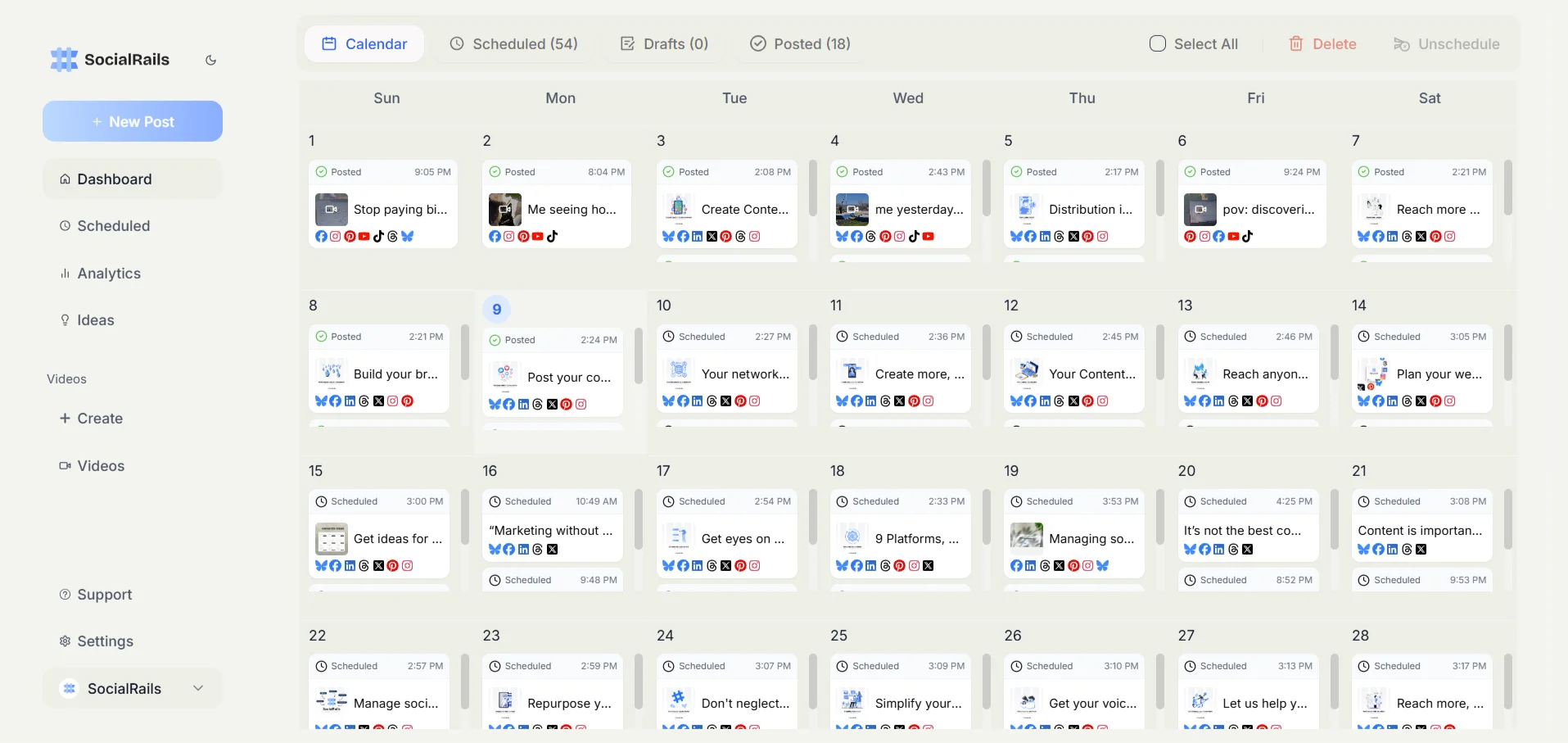
What Is VR Marketing?
Virtual reality marketing uses immersive technology to create branded experiences that engage customers in 360-degree environments.
Types of VR Marketing:
Why VR Marketing Works
Higher Engagement
Traditional ads compete for attention. VR commands it.
Why VR drives higher engagement:
- Users actively participate rather than passively watch
- Full attention required (no second-screen scrolling)
- Emotional responses are stronger in immersive environments
- Longer session times compared to traditional video content
Experiential Learning
Customers don't just see your product—they experience it.
- Car buyers take virtual test drives
- Real estate buyers tour properties remotely
- Furniture shoppers place items in their actual rooms
- Travelers preview destinations before booking
Differentiation
Few brands use VR well. Early adoption creates competitive advantage.
A furniture retailer wants to reduce returns. Which VR/AR approach would help most?
💡 Tip: Think carefully before selecting your answer!
VR Marketing Applications by Industry
Retail and E-commerce
Virtual try-on: Customers virtually wear clothing, accessories, or makeup before purchasing.
Virtual stores: Browse and shop in 3D store environments from home.
Product visualization: See products at actual scale in your space.
Example: IKEA Place app lets customers visualize furniture in their homes using AR/VR technology.
Real Estate
Virtual property tours: Tour homes without traveling.
Architectural visualization: Experience buildings before construction.
Neighborhood exploration: Explore the area around a property virtually.
Example: Matterport creates 3D virtual tours used by real estate agents worldwide.
Travel and Hospitality
Destination previews: Experience locations before booking.
Hotel room tours: See exact room types and views.
Activity previews: Try adventures virtually before committing.
Example: Marriott's "VRoom Service" delivered VR headsets to hotel guests with virtual travel experiences.
Automotive
Virtual test drives: Experience vehicles from anywhere.
Customization: See your configured car in 3D before ordering.
Safety demonstrations: Experience safety features without risk.
Example: Audi's VR showroom lets customers configure and explore vehicles in full VR.
Education and Training
Product demonstrations: Learn complex products interactively.
Safety training: Experience dangerous scenarios safely.
Skill building: Practice techniques in realistic environments.
Example: Walmart uses VR to train employees on customer service and Black Friday scenarios.
Entertainment and Events
Virtual concerts: Attend events from anywhere.
Behind-the-scenes access: Exclusive experiences for fans.
Interactive launches: Participate in product reveals.
Example: Travis Scott's Fortnite concert reached over 27 million attendees.
Implementing VR Marketing
Assess Your Fit
VR works well when:
- Your product benefits from "try before you buy"
- Physical presence is valuable but difficult
- Experience is key to purchase decision
- You're targeting tech-savvy audiences
- Differentiation is a priority
VR may not fit when:
- Your product is simple or commodity
- Target audience isn't tech-ready
- Budget is extremely limited
- Quick turnaround is needed
- Physical presence isn't important to sales
Which business would benefit LEAST from VR marketing?
💡 Tip: Think carefully before selecting your answer!
VR Marketing Options (By Budget)
Low Budget ($1,000-10,000)
Medium Budget ($10,000-50,000)
High Budget ($50,000+)
Distribution Channels
Recommendation: Start with web-based or mobile VR for reach, upgrade to dedicated VR for premium experiences.
Creating VR Content
Production Essentials
360° Video Production
- Specialized 360° cameras (Insta360, GoPro Max)
- Stitching software
- Spatial audio recording
- Editing for VR (different from traditional video)
3D VR Experiences
- 3D modeling and design
- VR development platform (Unity, Unreal Engine)
- User experience design
- Testing across devices
Content Best Practices
Keep it short: 3-5 minutes for marketing experiences. Longer causes fatigue.
Minimize movement: Smooth, slow movements prevent motion sickness.
Guide attention: Use audio, lighting, and visual cues to direct viewers.
Add interaction: Let users make choices, explore, or customize.
Test extensively: VR comfort varies widely—test with diverse users.
Measuring VR Marketing Success
VR-Specific Metrics
Business Metrics
ROI Calculation
VR Marketing ROI = (Revenue Attributed to VR - Total Investment) / Total Investment × 100

Example:
- VR experience development: $50,000
- Annual hosting/maintenance: $10,000
- Total investment: $60,000
- Revenue attributed to VR: $180,000
- ROI: ($180,000 - $60,000) / $60,000 × 100 = 200%
Your VR experience has high session duration but low conversion rate. What's the most likely issue?
💡 Tip: Think carefully before selecting your answer!
VR Marketing Challenges
Technical Barriers
Challenge: Not everyone has VR hardware.
Solution: Offer multiple access points:
- Web-based fallback (works in any browser)
- Mobile VR with cardboard viewers
- Social media AR alternatives
- In-store VR stations
Motion Sickness
Challenge: Some users experience discomfort.
Solution:
- Keep experiences stationary or slow-moving
- Provide comfort settings
- Limit session length
- Test with sensitive users
Development Costs
Challenge: Quality VR experiences are expensive.
Solution:
- Start with 360° video (lower cost)
- Use template-based platforms
- Repurpose content across channels
- Phase implementation over time
Measuring Attribution
Challenge: Hard to connect VR engagement to sales.
Solution:
- Use unique promo codes within VR
- Track post-VR behavior with cookies/login
- Include lead capture in experience
- Survey participants on purchase influence
Getting Started Checklist
Research Phase (Week 1-2)
- Define VR marketing objectives
- Assess target audience VR readiness
- Research competitor VR initiatives
- Evaluate budget and timeline
Planning Phase (Week 3-4)
- Choose VR experience type
- Select development approach (in-house vs. agency)
- Define success metrics
- Create project timeline
Development Phase (Variable)
- Create content and assets
- Develop experience
- Test across devices and users
- Refine based on feedback
Launch Phase
- Prepare distribution channels
- Plan promotional campaign
- Train support team
- Monitor and optimize
The Future of VR Marketing
Emerging trends:
Apple Vision Pro and spatial computing: Premium mixed reality opens new possibilities for high-end brand experiences.
Social VR: Shared virtual spaces for brand communities and events.
AI-generated VR: Faster, cheaper content creation using AI.
VR commerce: Complete shopping experiences in virtual environments.
Haptic feedback: Touch sensations add physical dimension to virtual experiences.
Bottom Line
VR marketing isn't for every brand or every campaign. But for products and services where experience matters, VR creates engagement traditional marketing can't match.
Start here:
- Identify where "try before you buy" adds value
- Create a simple 360° video or WebXR experience
- Measure engagement and business impact
- Scale what works
The brands investing in VR now are building capabilities their competitors will spend years catching up on.
Create content, post everywhere
Create captions, images, and videos with AI. Schedule to 9 platforms in seconds.
Start your free trialWas this article helpful?
Let us know what you think!