

What is Secondary Research? Definition, Examples & How to Use It

TL;DR - Quick Answer
12 min readSecondary research uses existing data to answer research questions efficiently
What is Secondary Research?
Secondary research is the process of collecting and analyzing data that has already been gathered by someone else, rather than conducting original research yourself.
Create content, post everywhere
Create captions, images, and videos with AI. Schedule to 9 platforms in seconds.
Start your free trial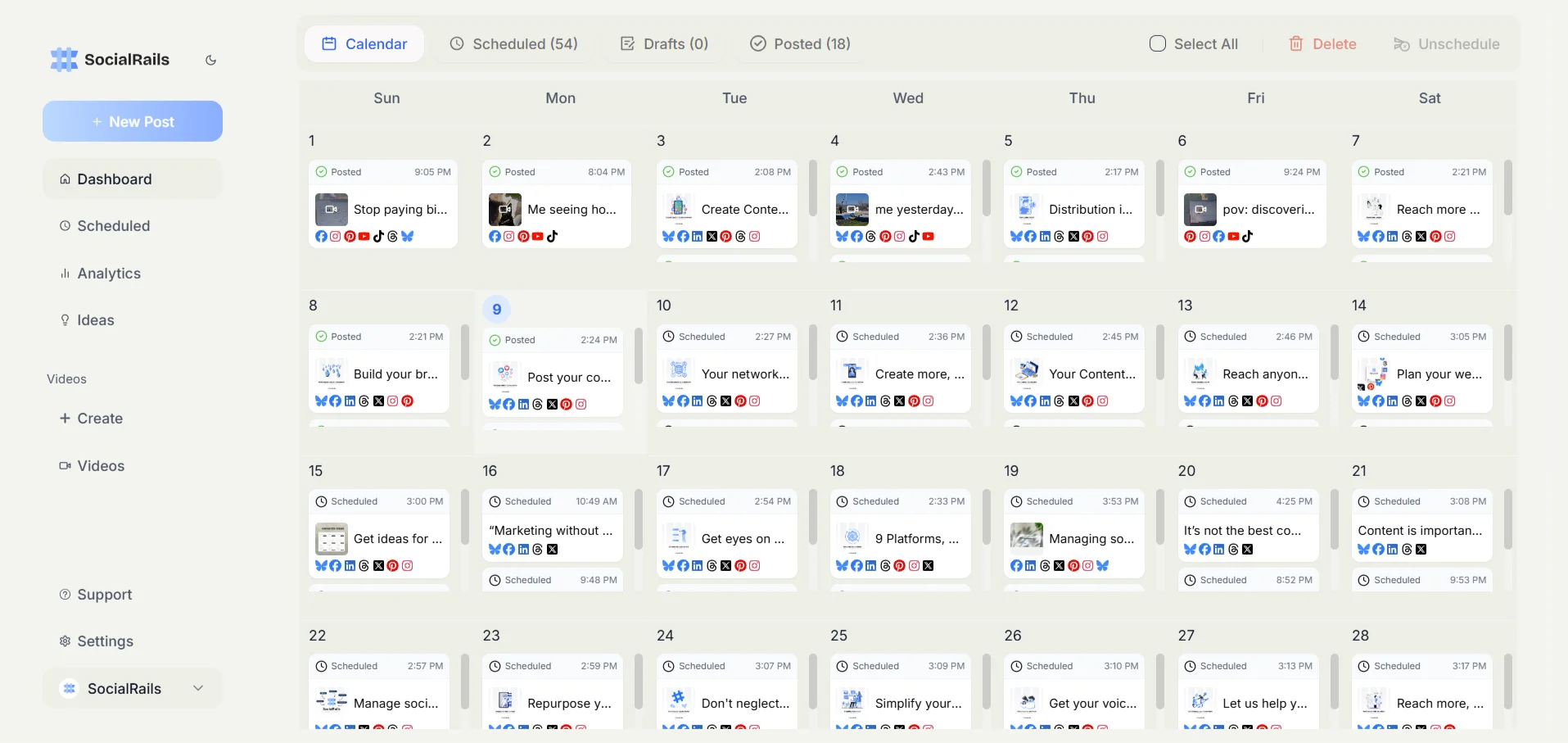
Quick Definition
- Secondary Research = Using existing data and studies for your research needs
- Sources: Published reports, academic papers, government data, industry studies
- Purpose: Answer research questions using available information
- Cost: Generally less expensive than primary research
Secondary Research vs Primary Research
Secondary Research
- Uses existing data collected by others
- Faster to complete since data already exists
- Less expensive than conducting original studies
- Broader scope with access to large datasets
- Less control over data quality and methods
Primary Research
- Collects new data specifically for your research question
- Takes longer to plan, execute, and analyze
- More expensive due to data collection costs
- Specific to your needs and research objectives
- Full control over methodology and data quality
Types of Secondary Research Sources
1. Published Research Studies
Academic Sources:
- Peer-reviewed journal articles
- University research publications
- Academic conference papers
- Thesis and dissertation papers
Industry Research:
- Market research reports
- Industry association studies
- Consulting firm publications
- Trade publication research
2. Government Data
Statistical Databases:
- Census data and demographic information
- Economic indicators and financial data
- Health and safety statistics
- Education and employment data
Regulatory Information:
- Industry regulations and compliance data
- Public company filings and reports
- Government agency research
- Policy impact studies
3. Commercial Databases
Market Research Platforms:
- IBISWorld industry reports
- Statista market data
- Nielsen consumer research
- Euromonitor International
Financial Databases:
- Bloomberg financial data
- Reuters market information
- Yahoo Finance historical data
- SEC filing databases
4. Online Sources
Public Information:
- Company websites and annual reports
- News articles and press releases
- Social media data and trends
- Wikipedia and reference sites
Survey Databases:
- Pew Research Center findings
- Gallup poll results
- Survey aggregation sites
- Public opinion research
Advantages of Secondary Research
1. Cost-Effective
- No data collection costs since information already exists
- Saves time and resources compared to primary research
- Access to expensive studies that would be costly to replicate
- Multiple sources can be analyzed for the same budget
2. Time-Efficient
- Immediate access to existing data and findings
- No waiting period for data collection and processing
- Quick analysis of trends and patterns
- Faster decision-making based on available information
3. Large Sample Sizes
- Access to extensive datasets with thousands of respondents
- Historical data spanning multiple years or decades
- Geographic coverage across multiple regions or countries
- Statistical significance from large-scale studies
4. Comparative Analysis
- Multiple perspectives on the same topic
- Cross-referencing different sources for validation
- Trend identification across different time periods
- Benchmark comparisons with industry standards
Disadvantages of Secondary Research
1. Data Relevance
- May not match your specific research questions
- Different target audience than your research needs
- Outdated information that may no longer be accurate
- Geographic limitations that don't match your market
2. Quality Concerns
- Unknown methodology used in original research
- Potential bias in data collection or analysis
- Incomplete information about research limitations
- Varying quality standards across different sources
3. Limited Control
- Cannot modify the research methodology
- No access to raw data for custom analysis
- Fixed categories that may not align with your needs
- Cannot ask follow-up questions or gather additional details
4. Accessibility Issues
- Subscription costs for premium databases
- Copyright restrictions on using certain data
- Language barriers for international sources
- Technical barriers for complex datasets
How to Conduct Secondary Research
Step 1: Define Your Research Objectives
- Clearly state what you want to learn
- Identify key questions you need answered
- Set boundaries for scope and timeline
- Determine success criteria for your research
Step 2: Identify Relevant Sources
- Academic databases for scholarly research
- Government websites for official statistics
- Industry reports for market-specific data
- News sources for recent developments
Step 3: Evaluate Source Credibility
- Check author credentials and expertise
- Verify publication reputation and peer review process
- Assess methodology quality and sample sizes
- Look for potential bias or conflicts of interest
Step 4: Collect and Organize Data
- Create systematic filing for different sources
- Track source information for proper citation
- Note data collection dates and methodology
- Organize findings by research question or theme
Step 5: Analyze and Synthesize
- Compare findings across multiple sources
- Identify patterns and trends in the data
- Note contradictions or gaps in information
- Draw conclusions based on available evidence
Best Sources for Secondary Research
Free Sources
Government Databases:
- US Census Bureau: Demographic and economic data
- Bureau of Labor Statistics: Employment and wage data
- Federal Reserve: Economic indicators and financial data
- CDC: Health and safety statistics
International Organizations:
- World Bank: Global economic and development data
- United Nations: International statistics and reports
- OECD: Economic and social data for developed countries
- IMF: International monetary and financial data
Academic Sources:
- Google Scholar: Academic papers and citations
- JSTOR: Academic journal archive
- ResearchGate: Research publication platform
- University repositories: Institutional research collections
Paid Sources
Market Research:
- IBISWorld: Industry analysis and market research
- Mintel: Consumer market research
- Euromonitor: Market intelligence and analysis
- Frost & Sullivan: Technology and market research
Business Intelligence:
- Statista: Market and consumer data
- Bloomberg Terminal: Financial and market data
- LexisNexis: News and business information
- Factiva: Business news and information
Common Secondary Research Applications
Market Research
- Industry size and growth trends
- Competitor analysis and market share
- Consumer behavior patterns and preferences
- Market opportunities and threats
Academic Research
- Literature reviews for research papers
- Theoretical framework development
- Hypothesis formation based on existing findings
- Supporting evidence for original research
Business Strategy
- Market entry decisions and planning
- Investment analysis and due diligence
- Trend identification for strategic planning
- Benchmark analysis against competitors
Policy Development
- Evidence-based policy recommendations
- Impact assessment of existing policies
- Best practice identification from other regions
- Cost-benefit analysis using existing data
Quality Assessment Criteria
Source Credibility
- Author expertise in the subject area
- Publication reputation and editorial standards
- Peer review process for academic sources
- Transparency about methodology and limitations
Data Quality
- Sample size and representativeness
- Data collection methods and reliability
- Statistical significance and confidence levels
- Replication by other researchers
Relevance and Timeliness
- Publication date and data currency
- Geographic relevance to your research area
- Target population similarity to your needs
- Research scope alignment with your objectives
Methodology Assessment
- Research design appropriateness
- Bias control measures implemented
- Limitations acknowledged by researchers
- Reproducibility of findings
Common Mistakes to Avoid
1. Using Outdated Information
- Check publication dates and data collection periods
- Verify current relevance of findings
- Look for more recent studies on the same topic
- Consider how changes might affect conclusions
2. Relying on Biased Sources
- Identify potential conflicts of interest
- Check funding sources for research studies
- Look for balanced perspectives on controversial topics
- Cross-reference with independent sources
3. Misinterpreting Data
- Understand methodology before drawing conclusions
- Respect original context of data collection
- Avoid overgeneralization beyond study scope
- Note correlation vs. causation distinctions
4. Insufficient Source Verification
- Verify original sources when using aggregated data
- Check for proper citations and references
- Confirm accuracy of quoted statistics
- Look for peer validation of findings
Tools for Secondary Research
Search Engines and Databases
- Google Scholar: Academic literature search
- Web of Science: Citation database
- Scopus: Research database
- ProQuest: Academic and news databases
Data Visualization Tools
- Tableau: Data visualization and analysis
- Excel: Spreadsheet analysis and charts
- R or Python: Statistical analysis software
- Google Sheets: Collaborative data analysis
Reference Management
- Zotero: Free reference management
- Mendeley: Research collaboration platform
- EndNote: Professional reference management
- RefWorks: Web-based reference tool
Creating Research Reports
Structure Your Findings
- Executive Summary: Key findings and implications
- Methodology: Sources used and evaluation criteria
- Main Findings: Organized by research questions
- Analysis: Patterns, trends, and insights
- Limitations: Gaps and constraints in available data
- Recommendations: Actionable next steps
Best Practices
- Cite all sources properly and consistently
- Present data objectively without bias
- Acknowledge limitations and uncertainties
- Provide context for all statistics and findings
- Use visuals to illustrate key points
Key Takeaways
- Secondary research uses existing data to answer research questions efficiently
- It's faster and less expensive than primary research but offers less control
- Quality varies significantly, so source evaluation is critical
- Multiple sources should be used to validate findings
- Proper methodology and citation are essential for credible research
- Both free and paid sources offer valuable information for different needs
Secondary research is a powerful tool for gaining insights quickly and cost-effectively. By understanding how to find, evaluate, and use existing data sources, you can make informed decisions without the time and expense of conducting original research.
Was this article helpful?
Let us know what you think!