

Facebook Engagement Rate Calculator
Calculate your Facebook page engagement rate and get actionable insights to improve your social media performance. Free and instant results! 📊
Calculate Your Facebook Engagement Rate
Understanding Facebook Engagement Rate
What Counts as Engagement?
- • Likes: Traditional thumbs up reactions
- • Comments: Text responses and conversations
- • Shares: Posts shared to timelines or groups
- • Reactions: Love, care, haha, wow, sad, angry
- • Clicks: Link clicks and photo expansions
Why Engagement Rate Matters
- • Algorithm boost: Higher engagement = more reach
- • Audience quality: Shows real interest vs. passive followers
- • Content effectiveness: Measures what resonates
- • Business impact: Engaged audiences convert better
Improve Your Facebook Engagement
Post When Your Audience Is Active
Use Facebook Insights to find peak engagement times
Ask Questions and Encourage Discussion
End posts with questions to spark conversations
Use Visual Content
Photos and videos get significantly more engagement
Respond to Comments Quickly
Active engagement encourages more interactions
Share Behind-the-Scenes Content
Authentic content builds stronger connections
Use Facebook Stories and Reels
These formats often get higher engagement rates
Create content, post everywhere
Create captions, images, and videos with AI. Schedule to 9 platforms in seconds.
Start your free trial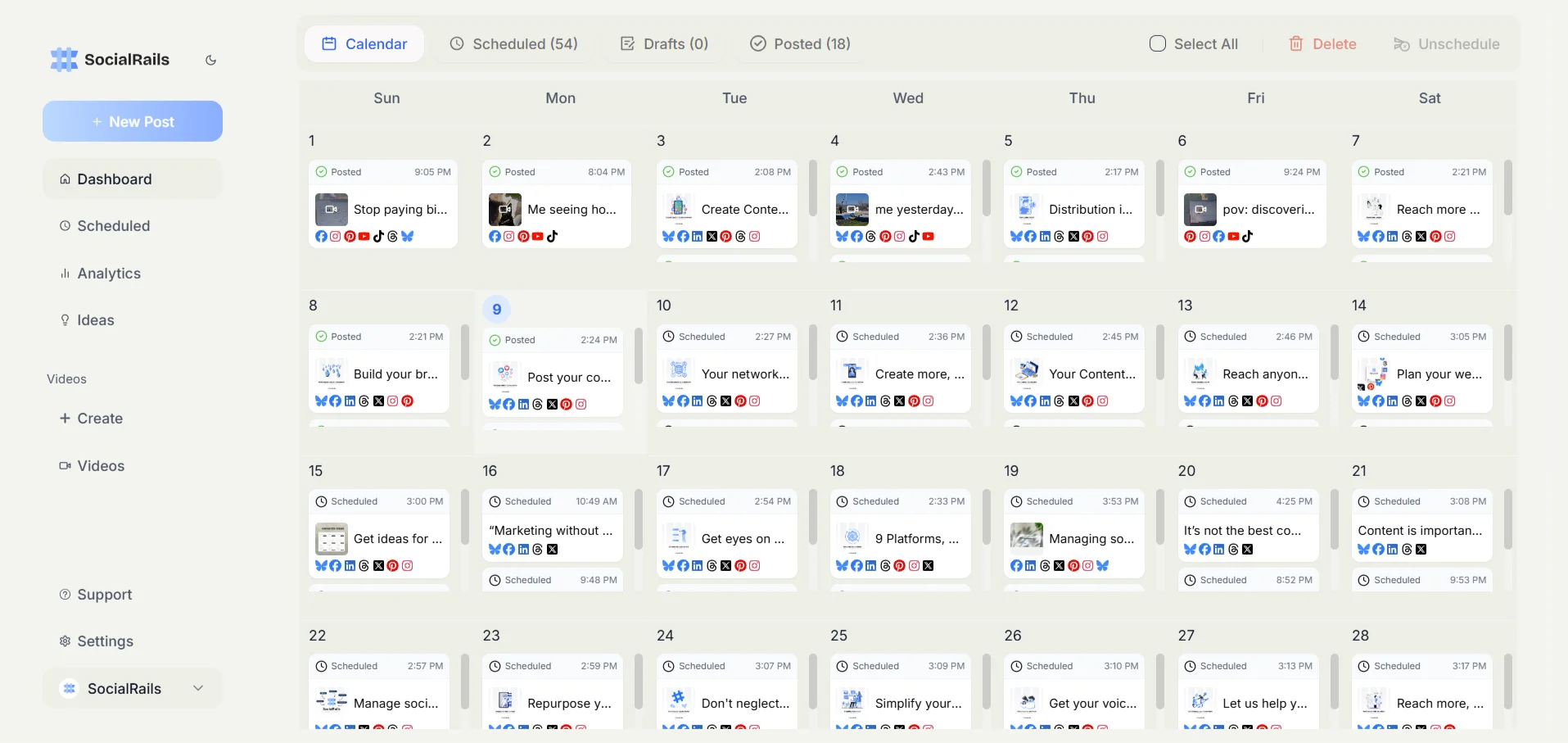
Why Facebook Engagement Rate Is Crucial for Success
Facebook engagement rate shows how well your content resonates with your audience. Track performance with our general social media engagement calculator and compare results across platforms.
Algorithm Performance
Higher engagement rates signal Facebook's algorithm that your content is valuable, leading to increased organic reach and visibility.
Audience Quality
Engagement rate reveals whether your followers are genuinely interested in your content or just passive observers of your brand.
Content Strategy
Track engagement trends to understand what content types, posting times, and topics generate the most audience interaction.
ROI Measurement
Measure return on social media investment by tracking how engagement translates to leads, sales, and business growth.
Competitor Benchmarking
Compare your engagement rates with industry standards and competitors to identify areas for improvement and optimization.
Growth Tracking
Monitor engagement rate changes over time to track the effectiveness of your social media strategy and content improvements.
Facebook Engagement Rate Benchmarks (2026)
According to recent data, the average Facebook engagement rate is 0.23% (calculated by followers). Here's how to interpret your results:
How We Calculate Facebook Engagement Rate
By Followers Formula
ER = (Likes + Comments + Shares) / Followers × 100Best for comparing performance across pages of different sizes. This is the most common method.
By Reach Formula
ER = (Likes + Comments + Shares) / Reach × 100Shows what % of people who saw your post engaged with it. More accurate for organic reach analysis.
What Counts as Engagement on Facebook?
Reactions
Like, Love, Care, Haha, Wow, Sad, Angry
Comments
All comments including replies
Shares
Public and private shares
Clicks
Link, video, and image clicks
Frequently Asked Questions
What is a good Facebook engagement rate?
Anything above 1% is considered good. The average Facebook engagement rate is 0.23% (by followers). If your engagement rate is above 2.5%, your content is resonating exceptionally well with your audience.
Should I use reach or followers to calculate engagement rate?
Use followers for comparing your performance against other pages or industry benchmarks. Use reach when you want to understand how engaging your content is for the people who actually saw it. Both methods are valid.
Why did Facebook remove the engagement rate metric?
With the "New Page Experience" rollout in 2022, Facebook removed native engagement rate and engaged users metrics from Page Insights. You now need to calculate it manually or use third-party tools like this calculator.
How many posts should I analyze?
For accurate results, analyze at least 10-20 recent posts. This gives you a representative sample while accounting for post-to-post variation. Avoid including viral outliers that might skew your average.
Complete Your Social Media Toolkit
Maximize your social media success with our other free tools