Hashtag Analytics
Free hashtag analysis tool. Paste your hashtags, pick a platform, and get per-tag validation plus a direct link to each hashtag’s live page on Instagram, X, TikTok, or LinkedIn — where you can see real post counts and recent content.
Separate with spaces, commas, or new lines. The # is optional.
How the Hashtag Analysis Works
Paste your hashtags
Spaces, commas, or new lines — with or without the #. The tool cleans the input for you.
Pick a platform
Instagram, TikTok, X, or LinkedIn. Validation rules and the recommended tag count update to match.
Open the live page
Every valid tag gets a “View” link to its live hashtag page — where real post counts and top content live.
What You Can Check on Each Platform
The “View” link opens the hashtag’s own page — here’s what you’ll see.
| Platform | What you see on the hashtag page | Recommended count |
|---|---|---|
| Total post count, top posts, recent posts, restriction warnings | 3–5 per post | |
| TikTok | Total views, top videos by engagement, related hashtags | 3–5 per video |
| X (Twitter) | Latest posts, top posts, people using the tag, trending status | 1–2 per post |
| Follower count for the hashtag, recent posts, top content | 3–5 per post |
Why No “Popularity Score” or Fake Volume Numbers
Instagram, TikTok, X, and LinkedIn don’t expose reliable public APIs for hashtag volume. Third-party tools that display “1.2M posts” or “Popularity: High” are usually guessing. We chose two honest checks instead — validation you can verify locally, and a direct link to real platform data.
What this tool does honestly
- • Validates each hashtag against platform character rules
- • Flags duplicates and invalid characters
- • Warns if your count is off for the platform
- • Opens the real hashtag page on one click
What only the platform can tell you
- • Exact post count
- • Current trending status
- • Top-performing content on the tag
- • Whether the tag is restricted or shadow-banned
Common Hashtag Mistakes
Stacking 20+ hashtags
More tags dilute the topical signal platforms use to find the right audience. 3–5 relevant tags beats 20 generic ones.
Re-using the same block on every post
Identical hashtag blocks across unrelated content can get flagged as spam and always under-perform tag sets matched to each post.
Using a banned or restricted tag
A 10-second check on the platform’s hashtag page reveals whether the tag is hidden. Restricted tags can tank reach of the whole post.
Only-broad or only-niche
All broad (#love, #fitness) buries you fast; all ultra-niche reaches no one. Mix one or two broad tags with specific ones.
Irrelevant trending tags
Tagging an unrelated trending hashtag brings viewers who bounce immediately. Low watch-through is a stronger negative signal than low tag count.
Invalid characters
Spaces, punctuation, and emojis in a tag break it. #best-tips is treated as #best and discarded dash-onwards.
Hashtag Analytics FAQ
Is the hashtag analytics tool really free?
Yes. No signup, no account, no watermark. Paste your hashtags, pick a platform, and the tool validates them and links each one to its live page on the platform you chose.
How does this hashtag analysis tool work?
It runs two checks locally in your browser. First, per-tag validation — character count against platform limits, invalid-character detection, duplicate detection. Second, for every valid tag it builds a direct link to the hashtag page on Instagram, TikTok, X, or LinkedIn, where you can see live post counts, top posts, and recency. The platforms themselves are the source of truth for real numbers.
Why doesn't the tool show post counts directly on this page?
Instagram, TikTok, X, and LinkedIn don't expose public hashtag APIs with reliable volume data. Anyone showing "1.2M posts" for a hashtag without calling the platform is usually guessing. We chose honesty over fake metrics — the "View" button opens the real hashtag page where the actual number is shown by the platform itself.
How many hashtags should I use per platform?
Instagram: 3–5 relevant hashtags outperform a wall of 30 in most cases. TikTok: 3–5 relevant tags. X (Twitter): 1–2 is plenty; more reads as spammy. LinkedIn: 3–5 professional, industry-specific tags. The tool flags you if you're over or under for the platform you picked.
What is a valid hashtag?
Across all four platforms: letters, numbers, and underscores only. No spaces, no punctuation, no emojis. Instagram caps hashtag text at 30 characters; X, TikTok, and LinkedIn are more generous but shorter is always better. Hashtags that are only digits don't get treated as tags by Instagram.
How do I check if a hashtag is popular?
Click the "View" link next to any valid hashtag — the platform opens the live hashtag page. You'll see the total post count, the top posts (by engagement), and the recency of posts. That's the only truly accurate popularity signal; third-party tools that claim to estimate volume are approximating.
How do I know if a hashtag is trending?
Open the hashtag page and compare the "top" and "recent" tabs. If recent posts are frequent and engagement is rising, it's trending. You can also check platform-native signals: TikTok's Discover tab, X's Explore / Trends, and Instagram's search suggestions all surface currently trending hashtags.
How do I check if a hashtag is banned?
Open the hashtag on Instagram using the View link. If the page shows "Recent posts from #hashtag are currently hidden" or no results appear, the tag is restricted or banned. Pick a different, similar hashtag instead.
Should I mix popular and niche hashtags?
Yes. A good mix is 1–2 broad tags (millions of posts), 2–3 niche tags (tens of thousands), and 1 long-tail (specific, high-intent). Broad tags expose you to a larger audience; niche tags deliver a more engaged one.
Does the tool save my hashtags?
No. Everything runs in your browser. Nothing you paste is sent to a server or stored. Close the tab and the data is gone.
Is this different from a hashtag generator?
Yes. A generator suggests new hashtags from keywords. This tool analyzes hashtags you already have — validates them, flags issues, and links out to live platform data. Use them together: generate first, then analyze.
Why does the same hashtag perform differently on different platforms?
Each platform reads tags differently. Instagram and TikTok treat hashtags as topical signals that heavily influence the For You / Explore feeds. X uses them mostly for search and trending topics. LinkedIn uses them to classify content for followers of that tag. A hashtag that performs on TikTok can fall flat on LinkedIn because the audience and ranking logic are different.
Complete Your Social Media Toolkit
Maximize your social media success with our other free tools
Create content, post everywhere
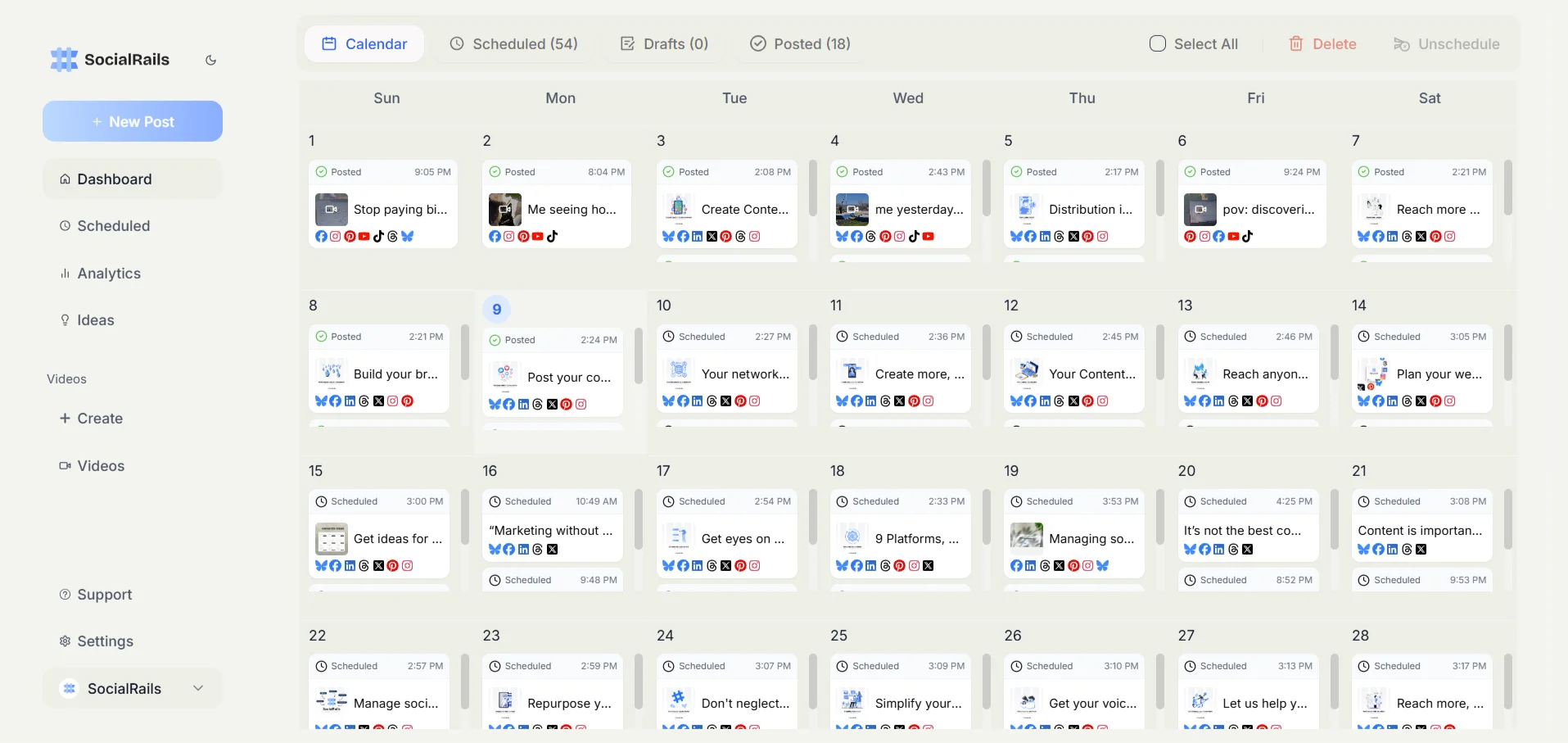
Create captions, images, and videos with AI. Schedule to 9 platforms in seconds.
Start your free trial