
What is Audience Analytics?
Audience analytics is the systematic process of collecting, measuring, and interpreting data about your social media followers to understand who they are, what they want, how they behave, and when they're active—enabling data-driven content strategies and marketing decisions that improve engagement and business results.
Simple Explanation
Audience analytics answers five critical questions about your followers:
- WHO are they? (demographics: age, gender, location, job title)
- WHAT do they care about? (interests, pain points, goals)
- WHEN are they active? (peak engagement times, posting schedule)
- WHY do they engage? (motivations, values, needs)
- HOW do they interact? (content preferences, device usage, behavior patterns)
In practice: Instead of guessing what content to create, you use data to know exactly what your audience wants, when they want it, and how they prefer to consume it.
Audience Analytics vs Related Terms
Many people confuse audience analytics with similar concepts. Here's how they differ:
Audience Analytics vs Social Listening
- Audience Analytics: Data about YOUR followers and how they behave
- Social Listening: Monitoring conversations about YOUR brand across all social media
- Example: Analytics tells you 65% of your followers are women aged 25-34. Listening tells you what people are saying about your brand on Twitter.
Audience Analytics vs Social Monitoring
- Audience Analytics: WHO your audience is and what they do
- Social Monitoring: WHAT people are saying in real-time (mentions, tags, keywords)
- Example: Analytics shows your audience prefers video content. Monitoring alerts you when someone mentions your brand.
Audience Analytics vs Web Analytics
- Audience Analytics: Social media follower data and behavior
- Web Analytics: Website visitor behavior and traffic sources
- Integration: Use both together to understand the complete customer journey
- Example: Analytics shows where your followers are located. Web analytics shows which social platforms drive the most website traffic.
Why Audience Analytics Matter
Without audience analytics, you're creating content blind, hoping it resonates. With analytics, you make data-driven decisions that consistently improve results.
Business Impact
Stop Wasting Resources
- Create content you know will resonate (not guess)
- Post when your audience is actually online
- Focus budget on platforms where your audience is active
- Eliminate strategies that don't work for your specific audience
Increase Engagement and Reach
- Higher engagement rates when content matches audience interests
- Better organic reach from platform algorithms rewarding engagement
- More shares when content speaks to audience values
- Stronger community when you understand what they care about
Improve Return on Investment
- Better ad targeting = lower cost per click and conversion
- Higher conversion rates from aligned messaging
- Reduced wasted ad spend on wrong audiences
- More qualified leads from precise targeting
Inform Strategic Decisions
- Product development based on audience needs
- Content strategy aligned with audience preferences
- Campaign messaging that resonates with target demographics
- Business expansion into markets where your audience exists
Real-World Impact Examples
Example 1: E-commerce Fashion Brand
- Discovery: Analytics revealed 68% of followers were women aged 25-34, peak engagement at 7-9 PM
- Action: Shifted posting schedule to evenings, created content for that demographic
- Result: 140% increase in engagement, 85% increase in website traffic from social
Example 2: B2B SaaS Company
- Discovery: Audience cared about "automation" and "time-saving," not features and specs
- Action: Pivoted content from product features to use cases and ROI stories
- Result: 3x increase in lead generation, 45% shorter sales cycle
Example 3: Fitness Influencer
- Discovery: Followers preferred quick 10-15 minute workouts, not hour-long sessions
- Action: Created series of short, focused workout videos
- Result: 200% increase in saves, 150% follower growth, higher course sales
Competitive Advantages
Know Your Audience Better Than Competitors
- Discover underserved audience segments competitors miss
- Create more personalized content and experiences
- Build stronger community connections
- Respond faster to audience needs and trends
Make Smarter, Faster Decisions
- Data replaces guesswork and opinions
- Validate assumptions before investing resources
- Identify opportunities before they become obvious
- Pivot strategies based on evidence, not hunches
Key audience metrics to analyze
Demographics
Age distribution, Understanding the age ranges of your followers
Create content, post everywhere
Create captions, images, and videos with AI. Schedule to 9 platforms in seconds.
Start your free trial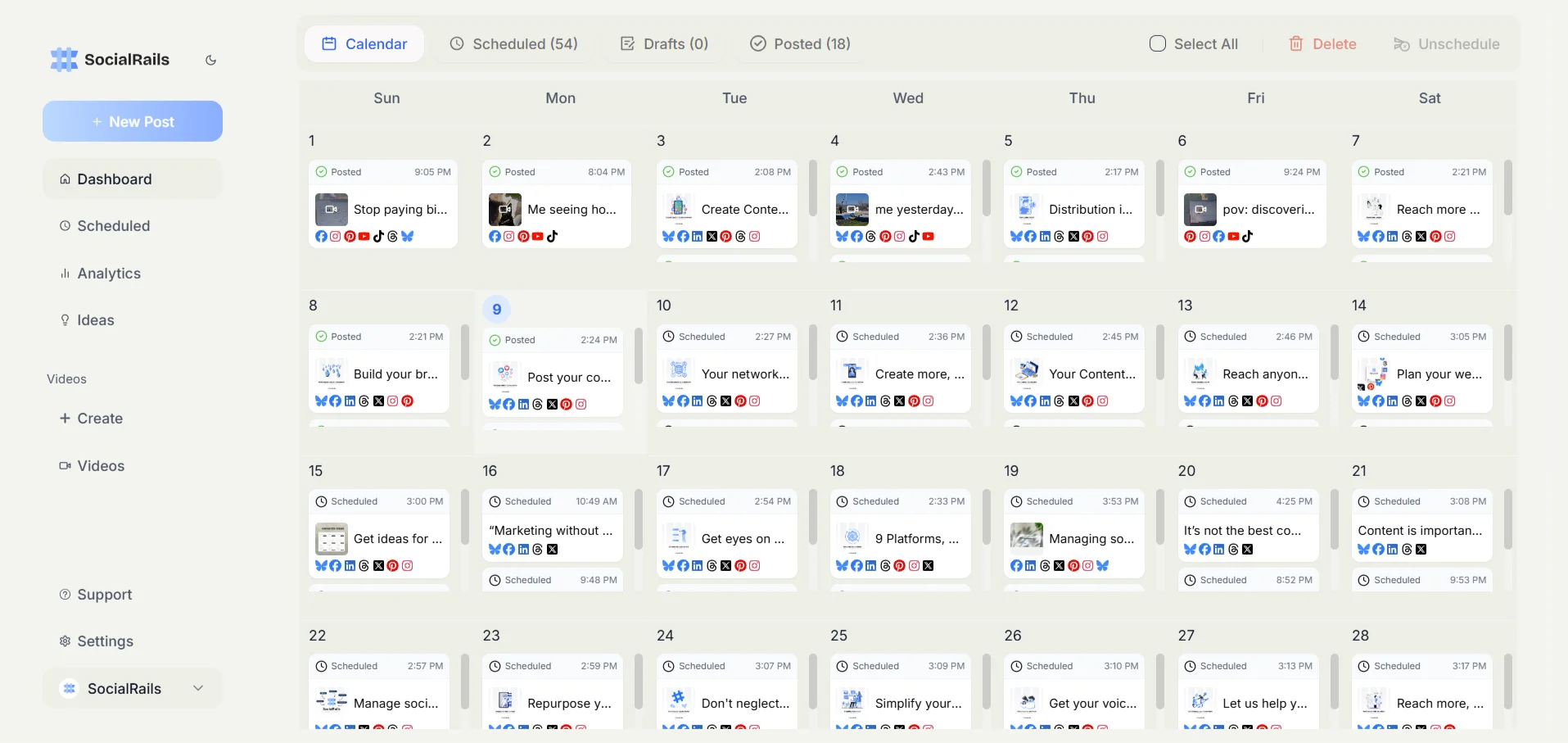
Gender breakdown, Male, female, and non-binary audience composition
Geographic location, Where your audience is located globally and locally
Language preferences, Primary languages spoken by your audience
Behavioral data
Activity patterns, When your audience is most active on each platform
Content preferences, Which types of posts generate the most engagement
Device usage, Whether your audience primarily uses mobile or desktop
Platform behavior, How your audience uses different social media platforms
Interest insights
Topic preferences, Subjects your audience engages with most
Brand affinities, Other brands and companies your audience follows
Lifestyle indicators, Interests that reveal lifestyle and purchasing behavior
Content format preferences, Whether your audience prefers video, images, or text
Platform-specific analytics tools
Instagram Insights
Follower demographics, Age, gender, and location breakdowns
Activity times, When your followers are most active by day and hour
Story insights, How people interact with your Instagram Stories
Content performance, Which posts and content types perform best
Facebook Analytics
Audience overview, Complete demographic and interest data
Page insights, How people discover and interact with your page
Post performance, Detailed metrics on individual post success
Video analytics, Specific insights for video content performance
LinkedIn Analytics
Follower demographics, Professional information about your audience
Content performance, How your professional content resonates
Company page insights, Visitor demographics and engagement patterns
Employee advocacy, How team members contribute to audience growth
TikTok Analytics
Audience insights, Demographics and activity patterns of followers
Video performance, Which videos resonate most with your audience
Profile analytics, How people discover and interact with your profile
Trending content, What content types are performing well in your niche
Twitter Analytics
Audience insights, Demographics and interests of your followers
Tweet activity, Performance of individual tweets and threads
Follower growth, How your audience grows over time
Top content, Your most successful tweets and content themes
Collecting audience data
Native platform analytics
Built-in insights, Using each platform's native analytics tools
Regular monitoring, Checking analytics consistently to identify trends
Historical comparison, Comparing current data to previous periods
Cross-platform analysis, Understanding differences across platforms
Third-party tools
Social media management platforms, Hootsuite, Sprout Social, Buffer analytics and other social media tools
Advanced analytics tools, Brandwatch, Socialbakers, and specialized platforms
Google Analytics, Understanding social media traffic to your website
Survey tools, Direct feedback collection from your audience
Direct audience research
Polls and questions, Using platform features to gather audience opinions
Comments analysis, Understanding sentiment and preferences from interactions
Direct messaging, One-on-one conversations with engaged followers
Email surveys, Reaching out to your email list for deeper insights
Analyzing audience behavior patterns
Engagement patterns
Peak activity times, When your audience is most likely to engage
Content type preferences, Which formats generate the most interaction
Seasonal variations, How audience behavior changes throughout the year
Platform-specific behavior, Different engagement styles on different platforms
Content consumption habits
Attention spans, How long your audience engages with different content types
Sharing behavior, What motivates your audience to share content
Comment patterns, Types of comments and discussions your content generates
Click-through behavior, How often audiences click links in your posts
Conversion insights
Purchase behavior, How social media influences buying decisions - understanding this process requires building the know, like, trust factor that drives conversion decisions
Lead generation patterns, Which content drives the most qualified leads
Customer journey mapping, How social media fits into the buying process
Lifetime value indicators, Identifying high-value audience segments
Audience segmentation strategies
Demographic segmentation
Age-based groups, Creating content for different age demographics
Geographic targeting, Customizing content for different locations
Gender-specific content, Tailoring messages for different gender preferences
Language localization, Creating content in audience-preferred languages
Behavioral segmentation
Engagement level, Different strategies for highly engaged vs. casual followers
Purchase history, Targeting based on previous buying behavior
Content preferences, Segmenting by preferred content types and topics
Platform usage, Different approaches for different platform behaviors
Interest-based segmentation
Topic clusters, Grouping audience by subject matter interests
Brand affinity, Segmenting by relationship to your brand and competitors
Lifestyle segments, Targeting based on lifestyle and value indicators
Professional segments, B2B targeting based on job roles and industries
Using analytics for content optimization
Content planning
Topic selection, Choosing subjects that resonate with your audience
Format optimization, Using preferred content formats for better engagement
Timing strategies, Posting when your audience is most active
Platform customization, Adapting content for each platform's audience behavior
Message personalization
Tone adjustment, Matching communication style to audience preferences
Cultural sensitivity, Respecting cultural differences in your audience
Value proposition, Emphasizing benefits that matter most to your audience - this strategic messaging supports the broader know, like, trust framework essential for social media success
Call-to-action optimization, Using CTAs that motivate your specific audience
Campaign targeting
Audience lookalikes, Finding new audiences similar to your best followers
Interest targeting, Reaching people with similar interests to your audience
Behavioral targeting, Targeting based on audience behavior patterns
Retargeting strategies, Re-engaging people who have interacted with your content
Measuring analytics effectiveness
Engagement improvements
Rate increases, Higher engagement rates after implementing audience insights
Quality interactions, More meaningful comments and conversations
Share growth, Increased sharing of your content
Click-through improvements, Better performance on links and CTAs
Audience growth metrics
Follower quality, Attracting more engaged, relevant followers
Retention rates, Keeping followers engaged over time
Audience expansion, Growing in target demographics and segments
Cross-platform growth, Building audience across multiple platforms
Business impact
Lead generation, More qualified leads from social media
Conversion rates, Better performance in turning followers into customers
Customer satisfaction, Improved satisfaction from more relevant content
Revenue attribution, Trackable business results from audience-focused strategies
Advanced analytics techniques
Predictive analytics
Trend forecasting, Predicting future audience behavior and preferences
Content performance prediction, Estimating how content will perform
Audience growth modeling, Projecting future audience development
Seasonal planning, Anticipating audience behavior changes
Competitive audience analysis
Competitor audience comparison, Understanding differences in audience makeup
Market opportunity identification, Finding underserved audience segments
Content gap analysis, Discovering topics competitors aren't addressing
Audience overlap analysis, Understanding shared audiences with competitors
Custom audience creation
Lookalike modeling, Creating audiences similar to your best customers
Behavioral targeting, Targeting based on specific actions and behaviors
Interest layering, Combining multiple interest categories for precision
Exclusion strategies, Removing irrelevant audience segments
Privacy and data considerations
Data collection ethics
Transparency, Being clear about what data you collect and why
Consent management, Proper permissions for data collection and use
Data minimization, Collecting only necessary audience information
Security measures, Protecting audience data from breaches and misuse
Compliance requirements
GDPR compliance, Meeting European data protection standards
CCPA requirements, Following California privacy law requirements
Platform policies, Adhering to each social media platform's data policies
Industry regulations, Meeting sector-specific data requirements
Audience analytics with SocialRails
SocialRails supports audience analytics through:
Cross-platform insights, Unified audience analytics across all 9 social platforms through comprehensive social media analytics
Performance tracking, Monitor how audience-focused strategies perform
Content optimization, Use audience insights to improve content performance
Targeting assistance, Better audience targeting for organic and paid content
Growth tracking, Monitor audience growth and engagement improvements