
Quick Answer: Facebook jail is an unofficial term for when Facebook temporarily restricts your account activities due to policy violations. Common restrictions include inability to post, comment, like, send messages, or access certain features for periods ranging from 24 hours to 30 days.
Facebook jail isn't an official Facebook term, but it accurately describes the experience of having your account capabilities limited due to community standards violations or suspicious activity.
What Is Facebook Jail?
Create content, post everywhere
Create captions, images, and videos with AI. Schedule to 9 platforms in seconds.
Start your free trial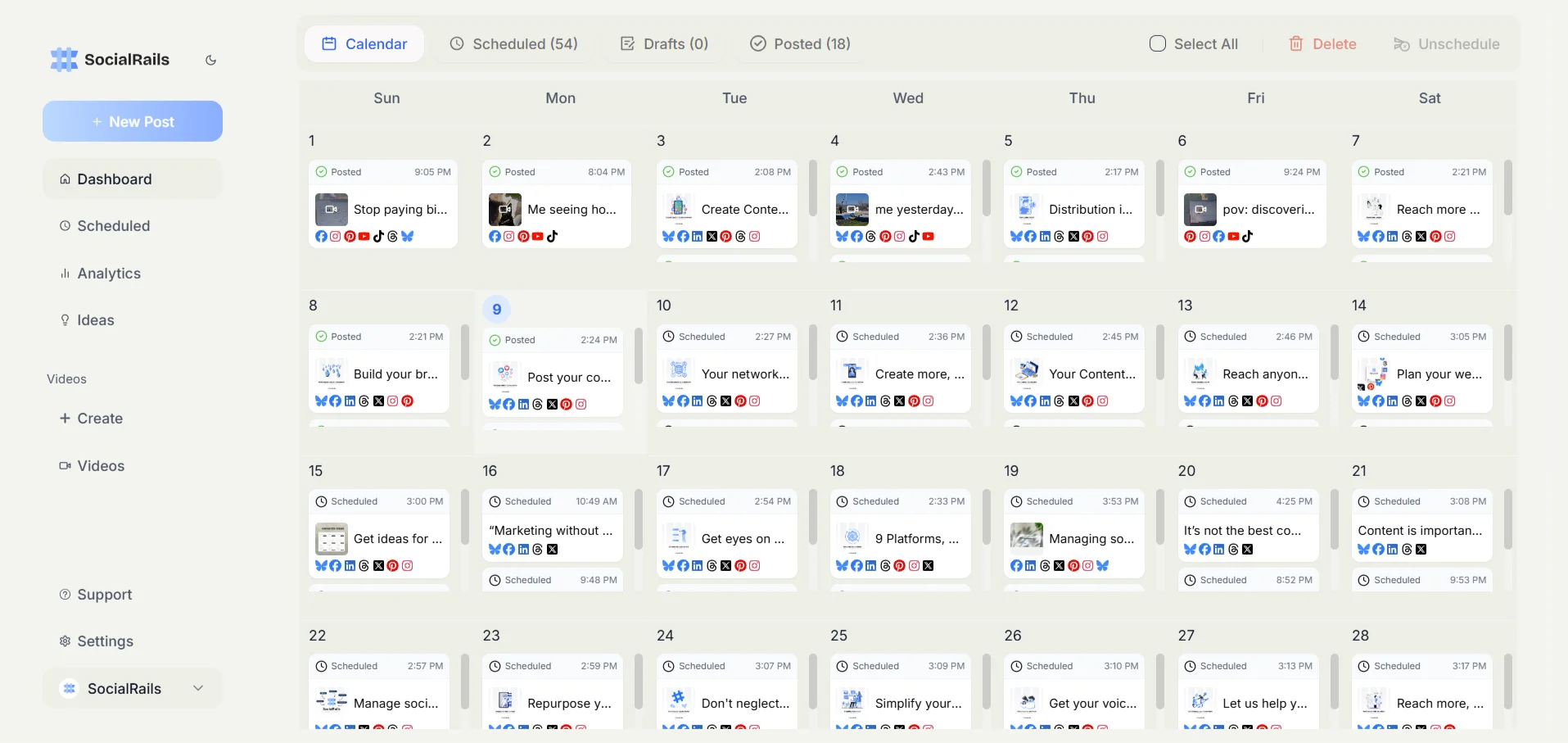
Facebook jail refers to temporary account restrictions that prevent you from using normal Facebook features. Unlike a permanent ban, Facebook jail is typically temporary and serves as a warning system to encourage better behavior on the platform.
Types of Facebook Restrictions
Posting Restrictions
- Cannot create new posts
- Cannot share content to your timeline
- Cannot post in groups or pages
- Cannot comment on others' posts
Interaction Restrictions
- Cannot like, react, or share posts
- Cannot send friend requests
- Cannot message people (sometimes)
- Cannot tag other users
Feature Restrictions
- Cannot create or join Facebook groups
- Cannot use Facebook Marketplace
- Cannot run ads or boost posts
- Cannot access Facebook Dating
Page Management Restrictions
- Cannot post to business pages
- Cannot respond to page messages
- Cannot create or edit ads
- Cannot access Page insights
How to Know If You're in Facebook Jail
Clear Signs You're Restricted
✅ Definitive Indicators:
- Error messages when trying to post, comment, or like
- Notification from Facebook about policy violations
- "Action Blocked" pop-ups when using features
- Missing buttons for posting, sharing, or commenting
- Email notifications about account restrictions
Facebook Jail Checker: Self-Assessment
Test These Actions:
- Try to post a text update to your timeline
- Attempt to comment on a friend's post
- Try to like or react to posts
- Send a friend request to someone
- Try to message someone new
- Post in a Facebook group
- Share a link or photo
If 3+ actions are blocked, you're likely in Facebook jail.
Common Error Messages
"This feature isn't available right now"
- Usually indicates a temporary restriction
- Can last from hours to several days
"You're temporarily blocked from posting"
- Direct notification of posting restrictions
- Shows estimated time remaining if available
"We limit how often you can post, comment or do other things"
- Rate limiting due to excessive activity
- Usually resolves within 24 hours
Why People Get Put in Facebook Jail
Most Common Violations
1. Spam Behavior (Most Common)
- Posting identical content multiple times
- Sending too many friend requests in a short period
- Excessive tagging of people
- Posting in multiple groups rapidly
- Using automated posting tools that violate Facebook's terms
2. Harassment and Bullying
- Targeting individuals with negative comments
- Sharing someone's private information
- Creating fake accounts to harass others
- Encouraging others to attack someone
3. Misinformation
- Sharing debunked articles or claims
- Creating misleading content about health or politics
- Spreading conspiracy theories
- Manipulating media (deepfakes)
4. Hate Speech
- Content attacking people based on identity
- Using slurs or discriminatory language
- Promoting hate groups or ideologies
- Inciting violence against groups
5. Copyright Violations
- Sharing copyrighted music, videos, or images
- Using unauthorized branded content
- Posting TV shows or movie clips without permission
6. Inappropriate Content
- Adult content or nudity
- Graphic violence or disturbing imagery
- Content involving minors inappropriately
- Selling prohibited items
Automated System Triggers
Activity Patterns That Trigger Restrictions:
- Posting more than 5 times per hour
- Adding 20+ friends in a day
- Joining 10+ groups rapidly
- Using identical text across multiple posts
- High volume of reports from other users
How Long Does Facebook Jail Last?
Typical Duration by Violation Type
Factors Affecting Duration
- Account history: Clean accounts get shorter restrictions
- Severity of violation: More serious = longer restrictions
- User reports: Higher number of reports = longer jail time
- Automated vs. human review: Human-reviewed cases may vary
- Appeal success: Successful appeals can reduce duration
How to Get Out of Facebook Jail
Method 1: Wait It Out (Most Reliable)
Why This Works:
- Most Facebook jail sentences are temporary
- System automatically lifts restrictions after time period
- No risk of making situation worse
Timeline Expectations:
- Light restrictions: 24-48 hours
- Moderate restrictions: 3-7 days
- Severe restrictions: 14-30 days
- Account review: 1-7 days for human review
Method 2: Submit an Appeal
When to Appeal: ✅ You believe the restriction was applied in error ✅ Your content was taken out of context ✅ You have evidence supporting your case ✅ The violation notice seems incorrect
How to Submit Appeal:
- Go to Facebook's Appeals Center
- Select "Appeal a Restriction"
- Choose the type of restriction
- Provide detailed explanation
- Include supporting evidence if available
- Submit and wait for response (usually 1-7 days)
Appeal Best Practices:
- Be polite and professional
- Acknowledge any potential confusion
- Provide specific examples
- Don't blame Facebook or use aggressive language
- Include context for misunderstood content
Method 3: Contact Facebook Support
Direct Contact Options:
- Business Support: If you have a business page or run ads
- Help Center: Submit support tickets for account issues
- Community Forum: Get help from other users and moderators
Information to Include:
- Your Facebook username/profile URL
- Description of the restriction
- Screenshot of error messages
- Timeline of when restriction started
- Any relevant context
Method 4: Clean Up Your Activity
While Restricted:
- Delete potentially violating posts
- Remove suspicious friend requests
- Leave groups where you may have posted excessively
- Review and update privacy settings
- Remove automated apps that post on your behalf
How to Avoid Facebook Jail
Posting Best Practices
✅ Safe Posting Strategies:
- Vary your content: Don't post identical text multiple times
- Space out posts: Wait 30+ minutes between posts
- Original content: Create your own posts rather than just sharing
- Quality over quantity: Focus on meaningful, engaging content
- Proper attribution: Credit sources and respect copyrights
Community Interaction Guidelines
✅ Safe Engagement Practices:
- Genuine interactions: Like and comment authentically
- Respectful communication: Avoid heated arguments or personal attacks
- Appropriate tagging: Only tag people when relevant
- Group etiquette: Follow group rules and posting guidelines
- Friend requests: Only send requests to people you know
Content Standards Compliance
✅ What TO Post:
- Original thoughts and experiences
- Properly attributed shares with commentary
- Respectful discussions and debates
- Educational or entertaining content
- Community-friendly material
❌ What NOT to Post:
- Hate speech or discriminatory content
- Spam or repetitive promotional material
- Misleading information or fake news
- Copyrighted material without permission
- Personal information about others
Account Security Measures
✅ Protect Your Account:
- Two-factor authentication: Enable for extra security
- Strong passwords: Use unique, complex passwords
- App permissions: Review and remove suspicious apps
- Login alerts: Monitor for unauthorized access
- Regular audits: Clean up old posts and friend lists
What NOT to Do When in Facebook Jail
❌ Common Mistakes That Make Things Worse:
Don't Create New Accounts
- Facebook links accounts and will restrict new ones
- Can lead to permanent bans on all accounts
- Violates terms of service explicitly
Don't Use VPNs or Proxies
- Facebook detects and flags this behavior
- Can trigger additional security restrictions
- May be seen as attempting to circumvent restrictions
Don't Spam Appeals
- Multiple appeals for same issue can delay response
- May be seen as harassment of support staff
- Can result in extended restrictions
Don't Continue Violating Behaviors
- Attempting to post through other means
- Having friends post on your behalf
- Using automated tools or bots
Types of Facebook Account Restrictions
Temporary Restrictions (Facebook Jail)
Characteristics:
- Limited functionality for set time period
- Can still browse and view content
- Profile remains visible to others
- Restrictions lift automatically
Common Types:
- Posting restrictions (can't create content)
- Interaction restrictions (can't like/comment)
- Messaging restrictions (limited DMs)
- Friend request restrictions
Account Warnings
Characteristics:
- No immediate restrictions on functionality
- Serves as notice of policy violation
- Accumulate toward future restrictions
- Remain on account history
Account Suspensions
Characteristics:
- Cannot access account at all
- Profile hidden from others
- All functionality disabled
- Usually requires appeal to restore
Permanent Bans
Characteristics:
- Account completely disabled
- Cannot create new accounts
- All content permanently removed
- Very difficult to appeal successfully
Facebook Jail vs. Shadowban
Facebook Jail (Official Restrictions)
- Clear notifications about restrictions
- Specific time periods given
- Official error messages shown
- Can appeal through proper channels
Facebook Shadowban (Reduced Reach)
- No official notification
- Posts get less organic reach
- Friends/followers don't see content
- Harder to confirm and address
Signs of Shadowban:
- Dramatic drop in post engagement
- Posts not appearing in friends' feeds
- Reduced visibility in search results
- Story views significantly down
Business Impact of Facebook Jail
For Personal Brands
❌ Negative Impacts:
- Loss of daily engagement with audience
- Missed opportunities for viral content
- Damaged reputation with followers
- Potential loss of follower trust
For Businesses
❌ Serious Consequences:
- Cannot respond to customer inquiries
- Missing sales opportunities
- Inability to run advertising campaigns
- Damage to professional reputation
Prevention for Businesses
✅ Business Protection Strategies:
- Multiple admin accounts: Don't rely on single person
- Content calendar: Plan and space out posts appropriately
- Team training: Educate all social media managers
- Backup communication: Email lists, other platforms
- Professional monitoring: Use social media management tools
Checking Facebook Jail Status
Self-Diagnostic Steps
1. Test Core Functions:
- Try posting to your timeline
- Attempt to comment on recent posts
- Try liking/reacting to content
- Send a test message to a friend
- Try sharing a link or image
2. Check for Notifications:
- Look for restriction notices in notifications
- Check email for Facebook alerts
- Review recent activity for removed content
- Look for warnings in support inbox
3. Monitor Engagement Patterns:
- Compare recent post performance to historical averages
- Check if friends can see your posts
- Ask trusted contacts if they received your messages
- Review analytics if you have a business page
Tools to Monitor Status
Facebook's Official Tools:
- Account Status: Check support inbox for violations
- Activity Log: Review recent actions and removals
- Page Quality: For business accounts, monitor quality score
- Appeals Center: Track status of submitted appeals
Third-Party Monitoring:
- Social media management tools with restriction alerts
- Analytics platforms that track engagement drops
- Team communication for businesses to monitor access
Recovery and Prevention Strategy
Phase 1: During Restriction (Days 1-3)
- Document everything: Screenshot error messages and restrictions
- Clean up content: Remove potentially problematic posts
- Review policies: Understand what led to restriction
- Plan improvement: Develop better posting strategies
- Communicate alternatives: Use other platforms temporarily
Phase 2: Post-Restriction (Days 1-7 after release)
- Gradual re-engagement: Don't immediately resume full activity
- Test functions: Ensure all capabilities are restored
- Monitor closely: Watch for any continued issues
- Update practices: Implement lessons learned
- Build buffer: Create contingency plans for future
Phase 3: Long-term Prevention (Ongoing)
- Regular audits: Monthly review of posting practices
- Stay updated: Follow Facebook policy changes
- Team training: Regular education for all social media staff
- Diversification: Don't rely solely on Facebook for reach
- Professional tools: Use approved social media management platforms
Conclusion
Facebook jail is a serious but usually temporary setback that can significantly impact personal and business social media presence. The key to dealing with Facebook jail is understanding why it happens, how to recover quickly, and most importantly, how to prevent it from happening again.
Remember that Facebook's algorithms are designed to create a safe, engaging environment for all users. By following community guidelines, posting authentic content, and engaging respectfully with others, you can maintain a strong Facebook presence without restrictions.
The best strategy is always prevention: focus on creating valuable, original content that serves your audience while respecting Facebook's community standards and terms of service.
Related Resources
Need help managing your Facebook presence professionally? Try SocialRails free for 14 days and get tools for content planning, policy compliance monitoring, and multi-platform management to keep your social media accounts in good standing.