
Pinterest Business Hub
Pinterest Business Hub is Pinterest's central management dashboard for business accounts. It provides analytics, content management, advertising tools, and audience insights in one place — giving businesses the professional features needed to run Pinterest as a marketing channel rather than just a personal inspiration board.
If you're looking for the Business Hub, you can access it directly at business.pinterest.com after converting to a business account (free).
Pinterest Business Hub vs. Creator Hub vs. Ads Manager
Pinterest has three overlapping dashboards that can be confusing. Here's what each one is for:
In short: Business Hub is your home base for everything. Creator Hub helps with content ideas (mobile only). Ads Manager is specifically for paid campaigns.
Why Pinterest Business Hub Matters
Visual Search and Discovery Platform
Pinterest functions more like a visual search engine than a traditional social network. Users come to Pinterest to plan purchases, find ideas, and discover new brands. This means Pinterest traffic often has higher purchase intent than other social platforms.
Key Business Advantages
- Evergreen content: Unlike Instagram or Twitter, where posts fade within hours, Pinterest pins can drive traffic for months or even years after posting
- High purchase intent: Users on Pinterest are often actively planning purchases — making it valuable for e-commerce and retail
- SEO-driven discovery: Pinterest has its own search algorithm, so keyword-optimized pins get discovered organically over time
- Free business tools: Analytics, Rich Pins, and business features are all available at no cost
Create content, post everywhere
Create captions, images, and videos with AI. Schedule to 9 platforms in seconds.
Start your free trial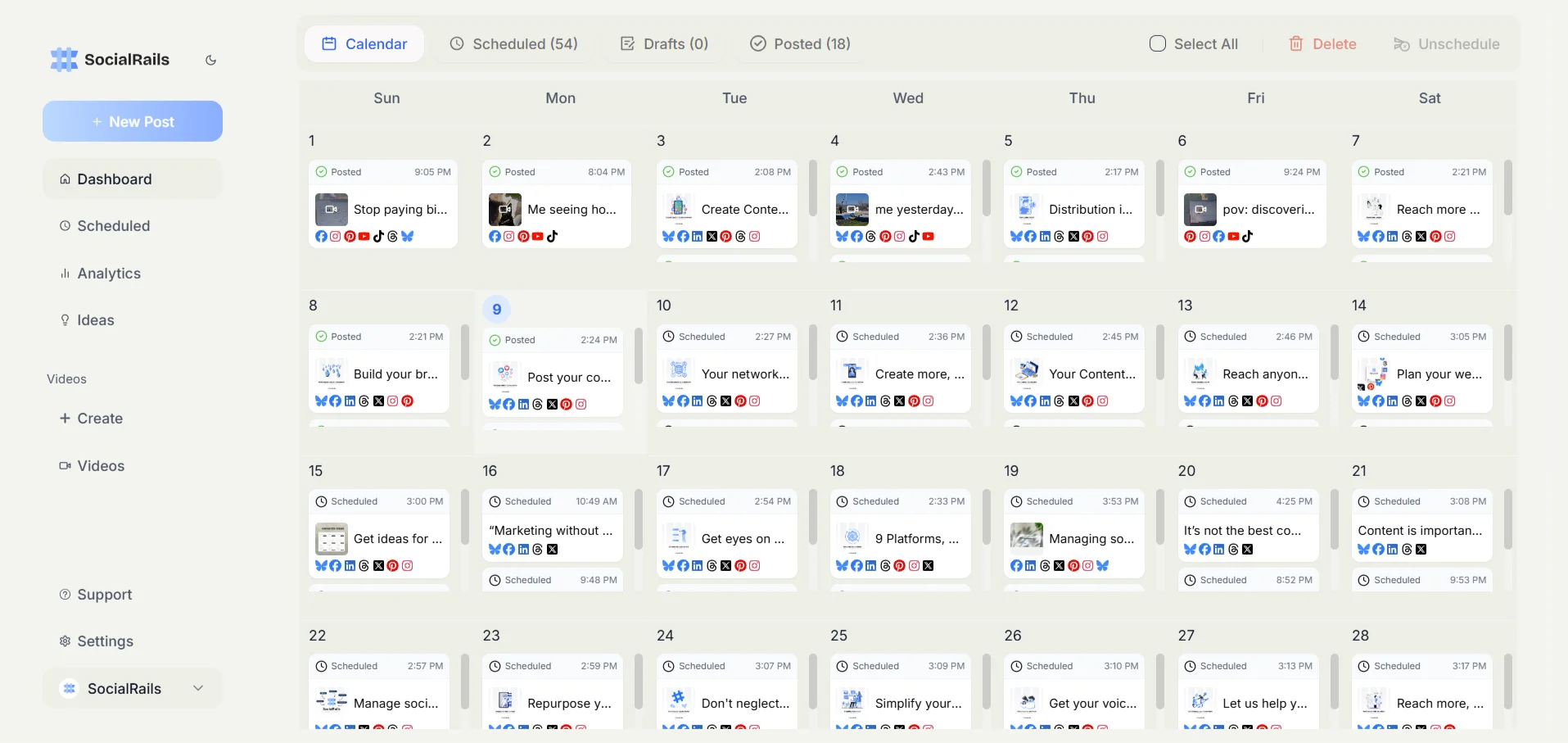
Industries That Perform Well on Pinterest
Pinterest's visual nature makes it particularly effective for certain industries:
- Home decor and interior design — Room inspiration, furniture, DIY projects
- Food and recipes — Recipe pins are among the most-saved content on the platform
- Fashion and beauty — Outfit inspiration, product discovery, tutorials
- Wedding and event planning — Brides and event planners are heavy Pinterest users
- Retail and e-commerce — Product discovery leading directly to purchase
- Travel — Destination inspiration, itinerary planning
- Fitness and wellness — Workout routines, healthy recipes, wellness tips
- B2B and professional services — Infographics, guides, and educational content can perform well with the right approach
How to Set Up a Pinterest Business Account
Step 1: Create or Convert Your Account
- New account: Go to business.pinterest.com and sign up directly
- Convert existing: Go to Settings → Account Management → Convert to Business Account
- Both options are free
Step 2: Complete Your Profile
- Business name: Use your actual business or brand name
- Profile photo: Use your logo or a professional brand image
- About section: Write a clear description using relevant keywords (Pinterest search uses this)
- Website: Add and verify your website URL to access additional analytics and features
- Contact info: Add email and location if relevant
Step 3: Verify Your Website
Website verification unlocks additional features:
- See analytics for pins that link to your site
- Your profile photo appears next to pins from your website
- Access to Rich Pins functionality
- Higher credibility signal to Pinterest users
Verification methods: Add an HTML tag, upload an HTML file, or add a DNS TXT record.
Step 4: Enable Rich Pins
Rich Pins automatically pull information from your website to display on Pinterest:
Rich Pins update automatically when you change information on your website.
Core Business Hub Features
Analytics Dashboard
The analytics section is divided into several key areas:
Overview Metrics:
- Impressions: How often your pins appear in feeds and search results
- Pin clicks: Clicks on your pin to see it closer
- Outbound clicks: Clicks through to your website (the metric that matters most for traffic)
- Saves: How many users saved your pin to their boards
- Engagement rate: Total engagements divided by impressions
Audience Insights:
- Demographics: Age, gender, location, language
- Interests: What topics your audience engages with most
- Device usage: Mobile vs. desktop breakdown
- Affinity categories: Related brands and topics your audience follows
Content Performance:
- Top-performing pins by impressions, clicks, and saves
- Performance by pin format (static, video, Idea Pin)
- Performance over custom date ranges
Content Management
- Pin creation: Create standard pins, video pins, and Idea Pins directly in the dashboard
- Bulk upload: Upload multiple pins simultaneously — useful for e-commerce with large product catalogs
- Scheduling: Schedule pins for future dates (Pinterest's own scheduler, no third-party tool needed)
- Board management: Create and organize boards with keyword-optimized titles and descriptions
Advertising Platform (Ads Manager)
Pinterest's advertising platform is accessible through Business Hub:
Campaign Types:
- Awareness: Maximize impressions and reach
- Video views: Promote video content
- Consideration/Traffic: Drive clicks to your website
- Conversions: Optimize for specific actions (sign-ups, purchases)
- Shopping/Catalog: Promote products from your product feed
Targeting Options:
- Interest targeting (based on Pinterest activity)
- Keyword targeting (based on search behavior)
- Customer list matching (upload your email list)
- Lookalike audiences (find users similar to your customers)
- Demographic targeting (age, gender, location)
- Actalike targeting (Pinterest's version of lookalike based on pin engagement)
Ad Formats:
- Standard pins (promoted)
- Video pins
- Carousel ads (multiple images)
- Shopping ads (from product catalog)
- Collections ads (hero image + related products)
Pinterest SEO: Optimizing for Search Discovery
Pinterest's search algorithm works differently from Google but follows similar principles:
Keyword Optimization
- Pin titles: Include your primary keyword naturally
- Pin descriptions: Write 2-3 sentences using related keywords — this is the most important text for Pinterest search
- Board titles: Use clear, searchable terms ("Modern Living Room Ideas" is better than "Dream Home Vibes")
- Board descriptions: Include relevant keywords that describe the board's content
- Profile description: Use keywords related to your overall business
Pin Design Best Practices
- Vertical format: 2:3 ratio (1000x1500 pixels) performs best
- Text overlay: Pins with readable text overlay tend to get more saves and clicks
- Clear imagery: High-quality, well-lit images stand out in the feed
- Brand elements: Include your logo or URL subtly on each pin for brand recognition
- Multiple pins per content: Create 3-5 different pin designs for each piece of content to test what performs best
Content Strategy
- Fresh content: Pinterest's algorithm favors new pin images (even if they link to existing content)
- Consistent posting: 5-15 pins per day, spread throughout the day, is a common recommendation
- Seasonal planning: Pinterest users plan ahead — post holiday and seasonal content 30-45 days before the event
- Mix content types: Combine educational content, inspiration, and product-focused pins
For a deeper dive into driving website visitors from Pinterest, see our Pinterest Traffic Strategy Guide.
E-commerce Integration
Connecting Your Product Catalog
Pinterest supports direct product catalog integration with several major e-commerce platforms:
- Shopify: Native Pinterest integration — sync your product catalog directly
- WooCommerce: Use the Pinterest for WooCommerce plugin
- BigCommerce: Built-in Pinterest catalog sync
- Magento: Pinterest integration available through extensions
Once connected, your product catalog automatically creates shoppable pins with real-time pricing and availability.
Shopping Features
- Product tagging: Tag products in your pins for direct purchase
- Shop tab: Your profile gets a dedicated "Shop" tab displaying all your products
- Shopping ads: Promote products from your catalog with automatic targeting
- Pinterest Tag: Install on your website to track conversions and build retargeting audiences
Measuring Success: Pinterest KPIs and Benchmarks
When evaluating your Pinterest performance, focus on these key metrics:
Important context: Pinterest is a long-term channel. It typically takes 3-6 months of consistent posting before you see significant results. Pins can continue generating traffic for months or years after publication, making it fundamentally different from platforms where content has a 24-48 hour lifespan.
Common Challenges and Solutions
Challenge: Creating Enough Visual Content
Solution: Repurpose existing content. Each blog post, product, or video can become 3-5 different pin designs. Use templates in Canva or similar tools to maintain brand consistency while producing pins efficiently.
Challenge: Understanding Pinterest's Algorithm
Solution: Focus on the fundamentals — keyword optimization, fresh pin images, and consistent posting. Pinterest rewards content that matches what users are searching for, so treat it like SEO rather than social media.
Challenge: Measuring ROI
Solution: Install the Pinterest Tag on your website, use UTM parameters on all pin links, and track conversions in Google Analytics. Pinterest's own conversion reporting helps connect pin engagement to website actions.
Challenge: Seasonal Fluctuations
Solution: Plan content 30-45 days ahead of seasonal moments. Pinterest users plan early — if you post holiday content in December, you've already missed the planning window. Post it in October or earlier.
Integration with Your Broader Marketing Strategy
Pinterest Business Hub works best when connected to your wider marketing approach:
- Blog content: Every blog post can become multiple pins driving traffic back to your site
- Email marketing: Use Pinterest to grow your email list by pinning lead magnets and opt-in offers
- Other social platforms: Repurpose your best-performing social content as pins — check our evergreen content strategy guide for tips on maximizing content across channels
- SEO: Pinterest pins can rank in Google Image Search, providing an additional traffic source
- E-commerce: Connect your product catalog for direct shopping experiences
For content inspiration, explore our Pinterest Content Ideas for Business.
Frequently Asked Questions
Is Pinterest Business Hub free?
Yes. Pinterest Business Hub and all business account features (analytics, Rich Pins, scheduling) are completely free. You only pay if you choose to run paid advertising campaigns.
How long does it take to see results from Pinterest marketing?
Expect 3-6 months of consistent effort before seeing significant traffic and engagement. Pinterest is a long-term investment — pins can continue driving traffic for months or years after publication, unlike content on most other social platforms.
What types of businesses work best on Pinterest?
Visual businesses like retail, home decor, food, fashion, beauty, wedding, and lifestyle brands typically see the strongest results. However, B2B companies, professional services, and educational content creators can also succeed with infographics, guides, and data-driven visual content.
How do I track Pinterest ROI?
Install the Pinterest Tag on your website for conversion tracking. Use UTM parameters on pin links to track traffic in Google Analytics. Compare outbound click data in Pinterest Analytics with goal completions in your analytics platform.
Can I use Pinterest Business Hub on mobile?
Yes, most Business Hub features are available in the Pinterest mobile app. However, some advanced features (like Ads Manager campaign creation and detailed analytics exports) work better on desktop.
What's the difference between a personal and business Pinterest account?
A business account gives you access to analytics, Rich Pins, advertising tools, and the full Business Hub dashboard. Personal accounts don't have these features. Converting to a business account is free and doesn't change how your existing pins or boards appear.
Next Steps
- Set up your business account at business.pinterest.com (free)
- Verify your website to unlock Rich Pins and full analytics
- Optimize your profile with relevant keywords in your business name and description
- Create your first boards with keyword-rich titles aligned to your content strategy
- Start pinning consistently — aim for 5-15 pins per day, mixing your own content with repins
- Review analytics monthly and double down on what's working
For a complete guide to building boards strategically, see our Pinterest Group Boards Guide.
Related Terms
- Pinterest Marketing Strategy — Complete Pinterest business approaches
- Visual Content Marketing — Image and video marketing strategies
- Social Commerce — Selling through social media platforms