

The Pinterest Advertising Secret Every Creator Is Hiding From You

The Pinterest Advertising Secret Every Creator Is Hiding From You
While everyone fights for attention on Instagram and TikTok, smart creators are quietly building empires on Pinterest with significantly lower advertising costs than other platforms. The secret? Pinterest users are actively searching for solutions, not passively scrolling. They're in buying mode, not browsing mode. This guide reveals the underground advertising strategies that top Pinterest creators use to dominate their niches while their competitors remain unaware. If Pinterest isn't the right fit, explore Pinterest alternatives for other visual marketing platforms.
Building your Pinterest audience strategically starts with knowing how to find people on Pinterest who are most likely to engage with your ads and convert.
Create content, post everywhere
Create captions, images, and videos with AI. Schedule to 9 platforms in seconds.
Start your free trial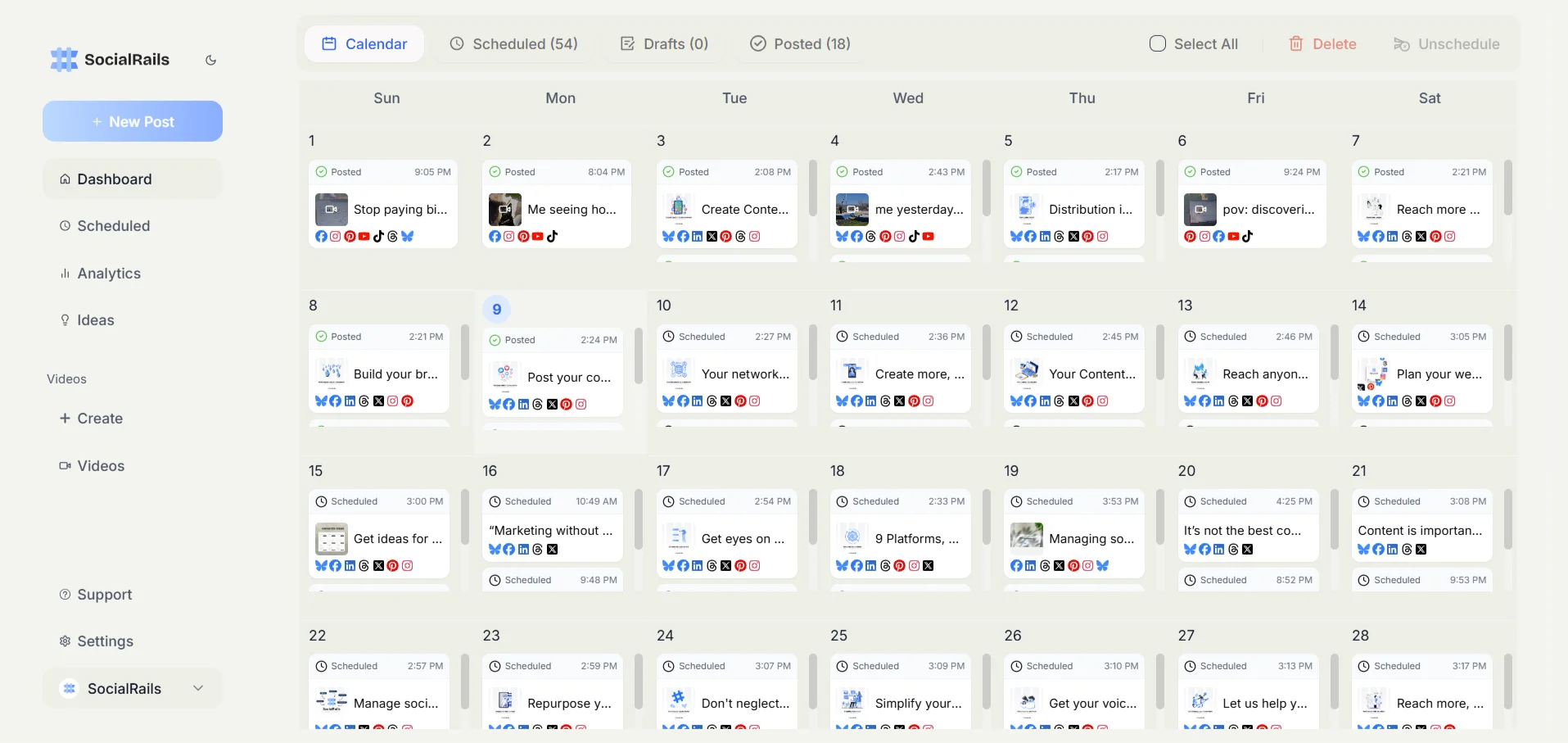
Calculate Your Pinterest Ad Potential
🎯 Pinterest ROI Calculator
Why Pinterest Advertising Is the Hidden Goldmine
Pinterest isn't social media – it's a visual search engine with 450 million monthly active users who spend money. Unlike other platforms where you interrupt people's social experience, Pinterest users come specifically to find products, ideas, and solutions.
The Pinterest Advertising Advantage
User Intent Differences:
- Pinterest: "I'm looking for solutions" (high purchase intent)
- Instagram: "I'm socializing with friends" (low purchase intent)
- Facebook: "I'm catching up on news" (medium purchase intent)
- TikTok: "I want entertainment" (impulse purchase intent)
Cost Efficiency Data:
- Average CPC: Often lower than other platforms
- Average CPM: Typically more cost-effective than Instagram
- Conversion rates: Often higher for e-commerce
- Longer content lifespan: Pins perform for months, not days
The Secret Most Creators Miss
Pinterest advertising success isn't about creating ads that look like ads – it's about creating ads that look like native Pinterest content. The most successful Pinterest advertisers create content that users actually want to save and share, making their advertising budget work double duty for both immediate conversions and long-term organic reach.
Understanding Pinterest's Unique Ecosystem
Pinterest User Psychology
The Pinterest Mindset: Pinterest users are planners, dreamers, and problem-solvers. They're not killing time – they're actively researching purchases, planning projects, and seeking inspiration for future actions.
Typical User Journey:
- Discovery Phase: Browsing for inspiration
- Research Phase: Saving ideas and comparing options
- Planning Phase: Organizing ideas into boards
- Action Phase: Making purchases or taking next steps
This extended journey means Pinterest ads often have longer conversion windows but higher lifetime value customers.
Pinterest vs. Other Platforms: The Fundamental Difference
Content Lifespan:
- Instagram post: 24-48 hours maximum visibility
- Facebook post: 6-12 hours typical visibility
- TikTok video: 3-7 days peak performance
- Pinterest pin: 3-6 months active discovery
This longevity means your Pinterest ad spend continues generating value long after the campaign ends.
Pinterest Ads Manager: Your Control Center
Setting Up Pinterest Business Account
Account Requirements:
- Convert to Pinterest Business account (free)
- Claim your website domain
- Set up Pinterest Tag for tracking
- Connect your product catalog (for shopping)
- Apply for Rich Pins (enhanced metadata)
Pinterest Tag Implementation: The Pinterest Tag tracks conversions and enables retargeting. Install it on all pages, not just conversion pages, to build comprehensive audience data.
Campaign Objectives and Structure
Available Objectives:
- Brand Awareness: Maximize reach and impressions
- Video Views: Promote video content
- Traffic: Drive clicks to your website
- App Installs: Mobile app downloads
- Conversions: Purchases, sign-ups, or custom actions
- Catalog Sales: Dynamic product advertising
Campaign Structure Best Practices:
- One campaign per objective
- 2-5 ad groups per campaign
- 3-5 pins per ad group
- Clear naming conventions for tracking
The Hidden Pinterest Advertising Strategies
Strategy 1: The Native Content Camouflage
The Secret: The most successful Pinterest ads look exactly like organic pins that users would naturally save and share.
Implementation:
- Use Pinterest's native dimensions (2:3 aspect ratio)
- Include text overlay that provides value
- Design for mobile-first viewing
- Use lifestyle photography, not product shots
- Include your brand subtly, not prominently
Example Framework: Instead of "Buy our cooking gadget!" create "5 Time-Saving Kitchen Hacks" with your product naturally integrated into the solutions.
Strategy 2: The Search Intent Hijack
The Concept: Target users based on their search behavior and board creation patterns, not just demographics.
Advanced Targeting Options:
- Keyword Targeting: Bid on search terms like Google Ads
- Interest Targeting: Target users who engage with related content
- Audience Targeting: Retarget website visitors or customer lists
- Actalike Audiences: Pinterest's version of lookalike audiences
For organic traffic strategies, combine ads with Pinterest affiliate marketing to diversify your revenue streams.
Keyword Strategy: Use Pinterest's keyword planner to find terms with high search volume but low competition. Target long-tail keywords that indicate purchase intent.
Strategy 3: The Seasonal Surge Method
The Insight: Pinterest users plan seasonally, often 45-90 days in advance. Christmas shopping research starts in September, not December.
Seasonal Calendar:
- Spring Planning: Starts in January
- Summer Projects: Peak planning in March-April
- Back-to-School: Research begins in June
- Holiday Shopping: Serious planning starts in September
- New Year Goals: December planning for January execution
Advanced Implementation: Create seasonal campaigns that align with Pinterest's planning cycles, not just calendar dates.
Strategy 4: The Board Psychology Hack
The Strategy: Understand that Pinterest users organize ideas into boards with specific purposes and emotional contexts.
Board Analysis for Targeting:
- Wedding boards indicate high-value purchase intent
- Home improvement boards suggest disposable income
- Recipe boards indicate cooking frequency and kitchen investments
- Fashion boards reveal style preferences and spending patterns
Create pins that fit naturally into these board contexts.
Creative Strategies That Convert
Visual Psychology for Pinterest
Color Psychology on Pinterest:
- Bright Colors: Stand out in feed, increase saves
- Pastels: Appeal to lifestyle and wellness audiences
- Bold Contrasts: Improve text readability on mobile
- White Space: Creates premium feeling, improves focus
Text Overlay Best Practices:
- Maximum 20% text coverage for optimal distribution
- Use large, readable fonts (minimum 24pt)
- Include numbers and specific benefits
- Create curiosity without being clickbait
- Test vertical vs. horizontal text layouts
Pin Format Strategies
Static Pin Optimization:
- 2:3 aspect ratio (1000x1500 pixels ideal)
- High-quality, bright images
- Clear value proposition in text overlay
- Brand logo in bottom corner
- Mobile-optimized readability
Video Pin Advantages:
- 15-60 second length optimal
- Auto-play with sound off
- Include captions for accessibility
- Show transformation or process
- Higher engagement rates than static pins
Carousel Pin Benefits:
- Tell story across multiple images
- Show product variations
- Compare before/after results
- Demonstrate step-by-step processes
- Higher click-through rates
Copy That Converts on Pinterest
Headline Formulas:
- "X Ways to [Achieve Desired Outcome]"
- "The Ultimate Guide to [Topic]"
- "How to [Solve Problem] Without [Common Pain Point]"
- "X [Items] That Will [Transform Situation]"
- "[Number] [Topic] Ideas for [Specific Audience]"
Description Best Practices:
- Front-load keywords in first 50 characters
- Include relevant hashtags (3-8 maximum)
- Use natural language, not keyword stuffing
- Add call-to-action at the end
- Include pricing if relevant to the audience
Advanced Pinterest Advertising Tactics
Audience Intelligence and Targeting
First-Party Data Utilization:
- Upload customer email lists for retargeting
- Create audiences based on website behavior
- Segment by purchase history and value
- Target cart abandoners with specific products
- Build audiences from Pinterest engagement
Actalike Audience Strategy: Pinterest's Actalike audiences are often more effective than other platforms' lookalike audiences because they're based on visual preferences and search behavior, not just demographics.
Audience Stacking: Combine multiple targeting methods for precision:
- Keywords + Interests + Demographics
- Custom audiences + Actalike expansion
- Seasonal interests + Geographic targeting
Budget and Bidding Optimization
Bidding Strategy Options:
- Automatic Bidding: Let Pinterest optimize for your goal
- Manual Bidding: Set maximum cost per result
- Target Cost: Maintain consistent cost per action
- Maximum Volume: Spend budget as efficiently as possible
Budget Allocation Framework:
- Start with $5-10/day per ad group minimum
- Allocate majority budget to proven performers, remainder to testing
- Increase budget gradually (25% increments)
- Monitor frequency to avoid ad fatigue
- Plan for 45-90 day seasonal campaigns
Conversion Tracking and Attribution
Pinterest Tag Events:
- Page Visit: Track website visitors
- View Category: Product category interest
- Search: On-site search behavior
- Add to Cart: Purchase consideration
- Checkout: Purchase initiation
- Purchase: Completed transactions
Attribution Windows:
- View-through: 1, 7, or 30 days
- Click-through: 1, 7, or 30 days
- Engagement: 1, 7, or 30 days
Pinterest's longer attribution windows reflect the platform's planning-oriented user behavior.
Pinterest Shopping and Product Catalogs
Setting Up Pinterest Shopping
Product Catalog Requirements:
- High-quality product images (minimum 600x600 pixels)
- Complete product information (title, description, price)
- Accurate inventory data
- Proper product categorization
- Valid landing page links
Rich Pins Setup: Rich Pins automatically pull metadata from your website, showing real-time pricing, availability, and product information directly on Pinterest.
Dynamic Product Ads
Catalog Campaign Benefits:
- Automatically promote your entire catalog
- Show products based on user interests
- Retarget users who viewed specific products
- Dynamic pricing and availability updates
- Cross-sell and upsell opportunities
Product Set Strategies:
- Create sets for different price ranges
- Segment by product category
- Target seasonal or trending items
- Exclude out-of-stock products
- Promote new arrivals separately
Measuring Pinterest Advertising Success
Key Performance Indicators
Awareness Metrics:
- Reach and impressions
- Pin click-through rate
- Cost per 1,000 impressions (CPM)
- Brand search lift
- Audience growth rate
Engagement Metrics:
- Pin saves (most important Pinterest metric)
- Comments and reactions
- Clicks to website
- Video view completion rates
- Engagement rate by audience segment
Conversion Metrics:
- Cost per acquisition (CPA)
- Return on ad spend (ROAS)
- Conversion rate by traffic source
- Customer lifetime value (CLV)
- Attribution analysis across touchpoints
Attribution Analysis Deep Dive
Pinterest Attribution Challenges: Pinterest's longer user journey means last-click attribution often undervalues Pinterest's role in the conversion path.
Multi-Touch Attribution Setup:
- Use first-click attribution for awareness campaigns
- View-through attribution for consideration phase
- Click-through attribution for conversion campaigns
- Cross-platform attribution for full funnel analysis
Custom Conversion Events: Set up micro-conversions to track user progression:
- Newsletter signups
- Product page views
- Wishlist additions
- Account creations
- Engagement with specific content types
Advanced Optimization Techniques
Creative Testing Framework
Systematic A/B Testing:
- Test one variable at a time (image, text, CTA)
- Run tests for minimum 7-14 days
- Ensure statistical significance before decisions
- Document winning elements for future campaigns
- Test across different audience segments
Creative Element Testing:
- Images: Lifestyle vs. product shots
- Colors: Bright vs. muted palettes
- Text Overlay: With vs. without
- Formats: Static vs. video vs. carousel
- CTAs: Different action words and phrases
Seasonal Campaign Optimization
Pre-Season Preparation:
- Research seasonal keyword trends
- Create seasonal pin templates
- Build seasonal audience segments
- Plan content calendar 90 days ahead
- Set up tracking for seasonal metrics
In-Season Optimization:
- Monitor daily performance for quick adjustments
- Increase budgets on high-performing campaigns
- Pause underperforming creative variations
- Expand targeting for successful combinations
- Prepare post-season retention campaigns
Cross-Platform Integration
Pinterest + Email Marketing:
- Use Pinterest traffic for email capture
- Include Pinterest content in newsletters
- Retarget email subscribers on Pinterest
- Cross-promote Pinterest boards in emails
Pinterest + Content Marketing:
- Turn blog posts into pin-worthy graphics
- Create Pinterest-optimized images for articles
- Use Pinterest insights for content topics
- Drive Pinterest traffic to gated content
Common Pinterest Advertising Mistakes
Creative Mistakes to Avoid
Over-Branding: Pinterest users don't want ads that scream "advertisement." Subtle branding performs better than logo-heavy designs.
Horizontal Images: Pinterest is a vertical platform. Horizontal images get less visibility and engagement.
Text-Heavy Designs: While some text is good, overwhelming text reduces shareability and violates Pinterest's best practices.
Targeting Mistakes
Over-Narrow Targeting: Pinterest's algorithm needs volume to optimize. Extremely narrow audiences limit performance potential.
Ignoring Keyword Targeting: Many advertisers focus only on interest and demographic targeting, missing Pinterest's powerful keyword capabilities.
Seasonal Mistiming: Planning seasonal campaigns based on calendar dates rather than Pinterest's advanced planning behavior.
Budget and Bidding Errors
Starting Budgets Too Low: Pinterest needs sufficient budget to exit learning phase and optimize effectively. $5-10/day minimum per ad group.
Frequent Budget Changes: Constant budget adjustments reset Pinterest's learning algorithm. Make changes gradually and allow time for optimization.
Wrong Bidding Strategy: Using manual bidding without sufficient data or expertise often leads to overpaying or underdelivering.
Pinterest Advertising for Different Industries
E-commerce and Retail
Winning Strategies:
- Focus on lifestyle imagery showing products in use
- Use seasonal and holiday-themed creative
- Implement dynamic product ads for retargeting
- Create gift guide style pins for discovery
- Target buyers in research phase with educational content
- Diversify revenue with Pinterest monetization strategies beyond direct sales
Key Metrics:
- Cost per purchase
- Return on ad spend (ROAS)
- Customer acquisition cost (CAC)
- Average order value from Pinterest traffic
- Lifetime value of Pinterest customers
Service Businesses
Effective Approaches:
- Create educational and inspirational content
- Use before/after transformations
- Target users planning relevant projects
- Build authority through valuable tips and guides
- Focus on local targeting for location-based services
Success Metrics:
- Lead generation cost
- Consultation booking rates
- Email signup conversions
- Content engagement rates
- Brand awareness and reach
B2B Companies
Pinterest B2B Strategy:
- Target decision-makers in professional contexts
- Create industry-specific educational content
- Use LinkedIn-style professional imagery adapted for Pinterest
- Focus on business process improvement topics
- Target company interests and job functions
Measurement Focus:
- Lead quality over quantity
- Sales qualified leads (SQLs)
- Content engagement depth
- Website session duration
- Multi-touch attribution analysis
The Future of Pinterest Advertising
Emerging Trends and Features
Shopping Features Evolution:
- AR Try-On capabilities
- Video shopping experiences
- Live shopping integration
- Social commerce expansion
- Voice search optimization
AI and Machine Learning:
- Smart bidding improvements
- Automated creative optimization
- Predictive audience targeting
- Real-time budget allocation
- Cross-platform attribution modeling
Creator Economy Integration:
- Influencer partnership tools
- Creator monetization options
- Branded content opportunities
- User-generated content campaigns
- Community building features
Platform Evolution Considerations
Algorithm Updates: Pinterest continuously refines its algorithm to improve user experience and advertiser performance. Stay informed about changes and adapt strategies accordingly.
New Ad Formats: Pinterest regularly introduces new advertising options. Early adoption of new formats often provides competitive advantages.
Privacy and Tracking Changes: Like all platforms, Pinterest adapts to privacy regulations and cookie restrictions. First-party data collection becomes increasingly important.
Building a Sustainable Pinterest Advertising Strategy
Long-Term Success Framework
Phase 1: Foundation (Month 1-2)
- Set up proper tracking and attribution
- Create initial creative assets and campaigns
- Establish baseline performance metrics
- Begin audience and keyword research
- Develop content creation workflows
Phase 2: Optimization (Month 3-6)
- Analyze performance data for insights
- Scale successful campaigns and audiences
- Expand creative testing program
- Integrate with other marketing channels
- Refine targeting and bidding strategies
Phase 3: Scale (Month 6+)
- Increase budget allocation to Pinterest
- Expand into new product categories or markets
- Develop sophisticated retargeting sequences
- Build Pinterest into primary customer acquisition channel
- Create Pinterest-first content strategy
Resource Planning
Team Requirements:
- Creative designer familiar with Pinterest aesthetics
- Campaign manager with Pinterest advertising experience
- Content creator for ongoing pin development
- Analyst for performance tracking and optimization
- Project manager for cross-team coordination
Technology Stack:
- Pinterest Ads Manager for campaign management
- Analytics tools for attribution analysis
- Creative tools for pin design and optimization
- Project management systems for workflow
- Customer data platforms for audience management
Conclusion
Pinterest advertising represents one of the last great opportunities in digital marketing – a platform where user intent aligns perfectly with advertiser goals, costs remain reasonable, and organic reach still exists. The creators and businesses winning on Pinterest understand that success comes from embracing the platform's unique culture and user behavior, not fighting against it.
The secret isn't in the tactics or tools – it's in understanding that Pinterest users are actively seeking solutions, planning purchases, and organizing their future selves. Your advertising strategy should support this journey, not interrupt it.
Start your Pinterest advertising journey by focusing on creating genuinely valuable content that users want to save and share. Build your campaigns around Pinterest's seasonal planning cycles. Target users based on their search intent and interest behavior. Most importantly, think long-term – Pinterest advertising compounds over time as your pins continue generating organic reach long after your paid campaigns end.
The opportunity window on Pinterest won't remain open forever. Competition is increasing, costs are rising gradually, and the platform continues evolving its advertising offerings. The creators and businesses who establish themselves as Pinterest advertising experts now will maintain competitive advantages for years to come.
Don't let this opportunity pass by while you're focused on saturated platforms with sky-high advertising costs. Pinterest is waiting for you to learn what smart marketers already know – it's the ultimate combination of high intent, low cost, and long-term value creation.
Expand Your Social Media Advertising Knowledge
Take your advertising skills further with these essential guides:
Was this article helpful?
Let us know what you think!