

Publicity Examples: 12 Brands That Earned Massive Media Coverage (And How)

Advertising is what you pay for. Publicity is what you earn.
The best publicity campaigns generate millions in media coverage without spending a cent on ad placements. They work because they give journalists and audiences something worth talking about.
Here are 12 real examples, and the tactics you can steal.
Create content, post everywhere
Create captions, images, and videos with AI. Schedule to 9 platforms in seconds.
Start your free trial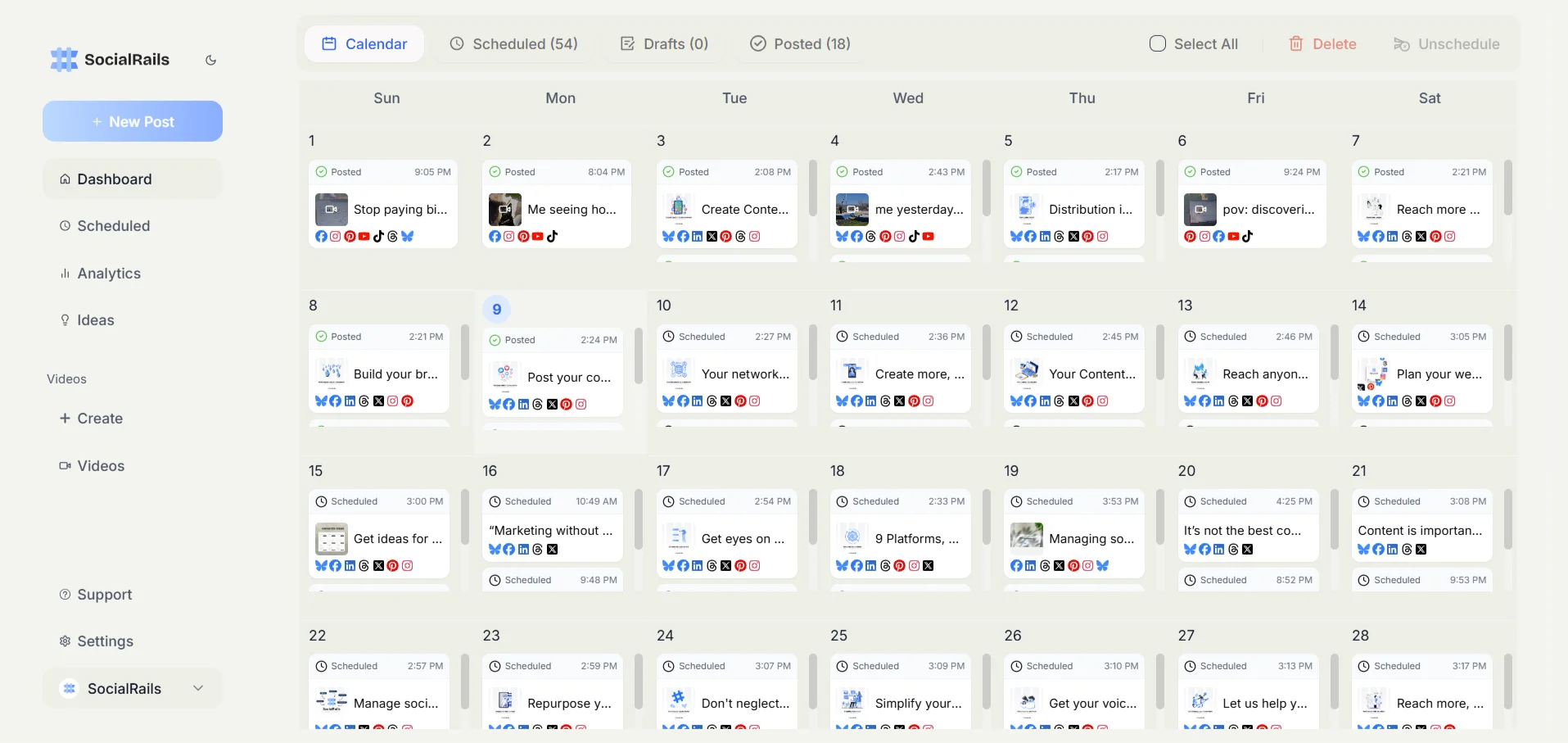
Publicity vs. Advertising vs. PR
Before the examples, let's get the definitions straight:
Publicity is a subset of PR. It's specifically about getting media coverage (articles, TV segments, podcast features, social media buzz) without paying for placement.
The 12 Best Publicity Examples
1. Patagonia: "Don't Buy This Jacket"
What they did: Ran a full-page ad in the New York Times on Black Friday telling people NOT to buy their jacket. The ad detailed the environmental cost of manufacturing.
Why it worked:
- Counterintuitive message generated massive earned media
- Every major outlet covered the "brand telling you not to buy" angle
- Reinforced their environmental values authentically
- Sales reportedly grew in the following year, despite telling people not to buy
Tactic: Counterintuitive messaging, do the opposite of what your industry expects.
2. Spotify Wrapped
What they did: Turned user data into personalized year-end summaries that users share on social media voluntarily.
Why it worked:
- Users become the marketing channel (millions of free social posts)
- Media covers it annually as a cultural moment
- Creates FOMO for non-Spotify users
- Data storytelling that's personal and shareable
Tactic: Turn your product data into shareable, personal content.
3. Dove: Real Beauty Campaign
What they did: Used real women (not models) in their advertising and created viral content like the "Real Beauty Sketches" video showing women are more beautiful than they think.
Why it worked:
- "Real Beauty Sketches" became the most-watched ad of all time (67M+ views in first month)
- Sparked cultural conversation about beauty standards
- Earned coverage from every major news outlet globally
- Shifted brand perception permanently
Tactic: Take a stance on a cultural issue relevant to your customers.
4. Dollar Shave Club: Launch Video
What they did: Created a low-budget, irreverent launch video called "Our Blades Are F***ing Great" that went viral.
Why it worked:
- 12,000 orders in the first 48 hours
- Cost approximately $4,500 to make
- Every marketing and business outlet covered it
- Proved you don't need a big budget, just a great hook
Tactic: Create entertaining content that stands out from your industry's boring norm. See more viral marketing campaign examples.
What do the Patagonia 'Don't Buy This Jacket' and Dollar Shave Club launch video have in common?
💡 Tip: Think carefully before selecting your answer!
5. IKEA: "Pee on This Ad"
What they did: Created a magazine ad that doubled as a pregnancy test. If the reader was pregnant, a discounted crib price appeared.
Why it worked:
- Never-before-seen ad format generated global coverage
- Combined creativity with actual utility
- Won Cannes Lions and every design award
- Covered by 100+ publications worldwide
Tactic: Create something journalists HAVE to write about because it's never been done.
6. ALS Ice Bucket Challenge
What they did: Started a viral challenge where people dumped ice water on themselves, donated to ALS research, and nominated others.
Why it worked:
- Raised $115 million in 8 weeks
- 17 million participants including celebrities
- Created peer pressure dynamics that fueled organic spread
- Simple, visual, easy to participate
Tactic: Make participation easy, visual, and social. Create peer-to-peer sharing mechanics.
7. Airbnb: "Night At" Series
What they did: Offered one-night stays at unusual locations like the Louvre, Great Wall of China, a shark tank, and Dracula's castle.
Why it worked:
- Each "Night At" event generated 100+ media articles
- Positioned Airbnb as experiences, not just accommodation
- Created aspirational content people shared widely
- Low cost per impression compared to advertising
Tactic: Create once-in-a-lifetime experiences that journalists want to cover.
8. Oatly: Controversial Super Bowl Ad
What they did: Aired a deliberately awkward Super Bowl ad with their CEO singing badly about oat milk, then sold "I totally hated that Oatly commercial" T-shirts.
Why it worked:
- The controversy WAS the strategy
- "Worst Super Bowl ad" coverage = millions in free publicity
- On-brand with their irreverent personality
- T-shirt sales turned critics into marketing
Tactic: Own the criticism and turn it into your narrative.
What publicity tactic makes Spotify Wrapped so effective year after year?
💡 Tip: Think carefully before selecting your answer!
9. Tesla: No Advertising Budget
What they did: Tesla spends $0 on traditional advertising. Instead, Elon Musk generates publicity through product launches, social media, and stunts (launching a car into space).
Why it worked:
- Every product launch generates global coverage
- Social media presence creates constant earned media
- "No advertising" itself became a story
- Products designed to be newsworthy (Cybertruck design, for instance)
Tactic: Build products and do things so remarkable that media coverage is inevitable.
10. Wendy's: Twitter Roasts
What they did: Developed a sassy, roast-heavy social media voice on Twitter that mocked competitors and fans alike.
Why it worked:
- "Wendy's roasts followers" became a recurring news story
- Generated millions of earned media impressions
- Other brands tried to imitate it (and mostly failed)
- Transformed a fast food account into a cultural phenomenon
Tactic: Develop a distinctive brand voice that breaks category norms.
11. Red Bull: Stratos Space Jump
What they did: Sponsored Felix Baumgartner's jump from the edge of space, 128,000 feet up.
Why it worked:
- 8 million concurrent YouTube live viewers (record at the time)
- Global news coverage for weeks
- Perfectly aligned with "Red Bull gives you wings" brand
- Content pieces created from the event lasted years
Tactic: Invest in one massive moment that captures global attention.
12. Cards Against Humanity: Holiday Stunts
What they did: Annual publicity stunts including: selling nothing for $5 (71,145 people bought it), digging a hole in the ground for no reason, buying a plot of land on the US-Mexico border.
Why it worked:
- Each stunt generates 50+ articles and massive social buzz
- Perfectly on-brand (irreverent humor)
- Minimal cost, maximum coverage
- Creates anticipation ("what will they do this year?")
Tactic: Create annual traditions that media and customers look forward to.
How to Get Publicity for Your Business
You don't need a Red Bull budget. Here's how any business can earn publicity:
1. Create Original Data or Research
Commission a survey, analyze your internal data, or conduct original research. Journalists love data. Publish a report with interesting findings about your industry.
2. Do Something First
Be the first company in your industry to do something noteworthy. First to offer a new service, first to take a public stance, first to publish a transparent report.
3. Offer Expert Commentary
Position your founder or team as experts. When industry news breaks, be the person journalists call for quotes. Respond quickly to news with insightful takes.
4. Create Shareable Experiences
Host events, create interactive content, or build experiences that people want to share on social media. User-generated publicity is the most powerful kind.
5. Use Timely Hooks
Tie your story to current events, seasonal moments, or trending topics. "Newsjacking" works when your angle is genuinely relevant.
6. Tell Human Stories
Founder stories, customer transformations, employee spotlights. Human stories get covered because they're relatable.
Which approach is typically more effective for earning media coverage?
💡 Tip: Think carefully before selecting your answer!
Measuring Publicity Results
Related Resources
- Press Release Distribution, get your story to journalists
- Viral Marketing Campaigns, more examples of campaigns that went viral
- Guerilla Marketing Ideas, low-budget publicity tactics
- PR Plan Template, build a complete PR strategy
- Small Business PR Strategies, PR on a budget
Was this article helpful?
Let us know what you think!