

Twitter vs Instagram vs Facebook: Which Platform is Best for Your Business?

Quick answer: There's no single "best" platform. It depends on your audience, content type, and goals:
- Choose Twitter (X) for real-time engagement, B2B, news, and customer service
- Choose Instagram for visual products, younger audiences, and lifestyle brands
- Choose Facebook for community building, local businesses, and broad demographic reach
Most businesses benefit from focusing on 1-2 platforms rather than spreading thin across all three.
Create content, post everywhere
Create captions, images, and videos with AI. Schedule to 9 platforms in seconds.
Start your free trial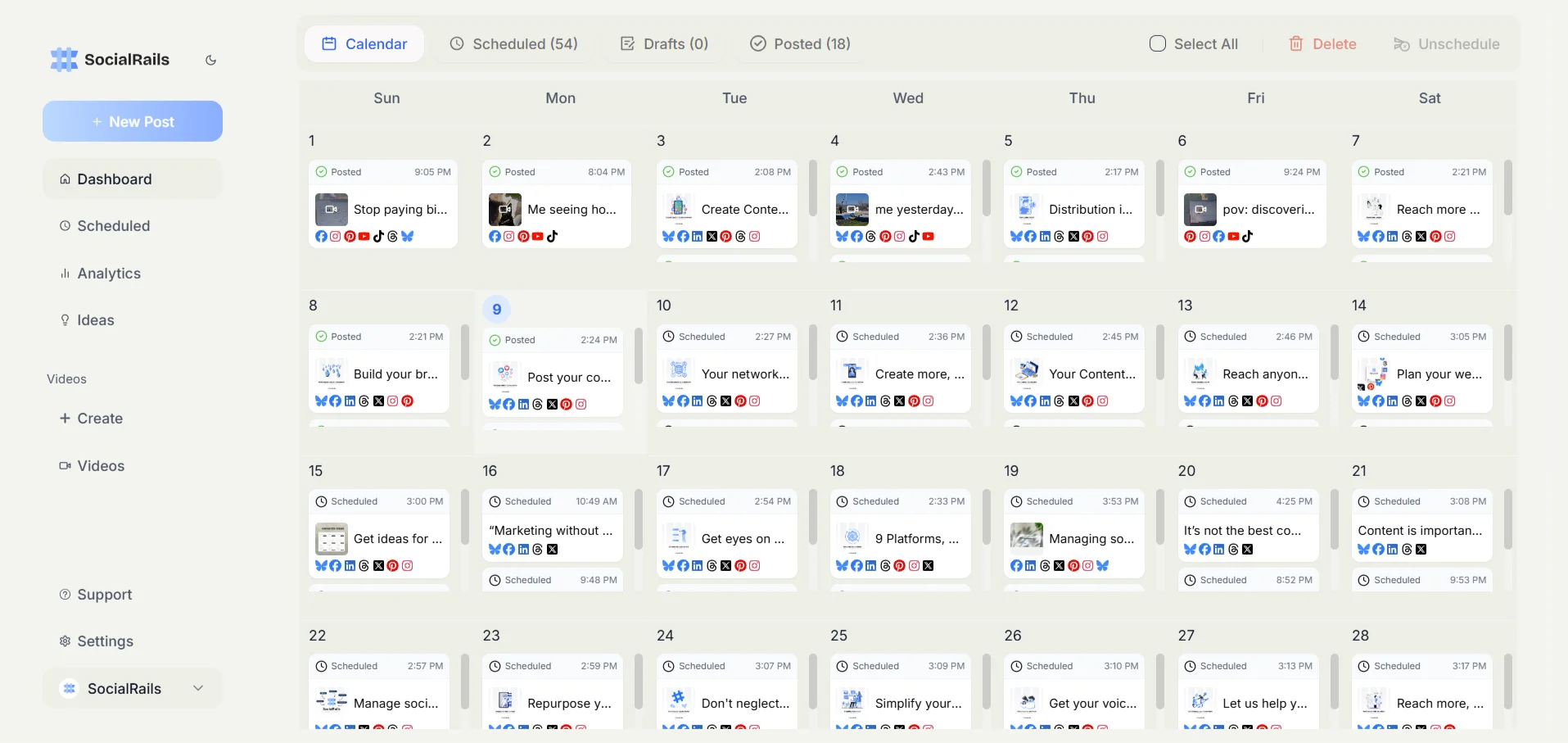
Quick Comparison Table
On the user numbers, because most comparisons get this wrong. Instagram is routinely still quoted at 2 billion. That was the figure Meta announced in 2022. Zuckerberg put Instagram at 3 billion monthly actives on 24 September 2025, and Facebook and WhatsApp each crossed 3 billion earlier that year. X is a different case: it has been private since 2022 and publishes no audited user figures at all, so any precise number you see for it is either a company statement or somebody's estimate. Treat it as such, and do not pick a platform on a headcount you cannot source.
Platform Deep Dives
Twitter (X): The Real-Time Conversation Platform
Strengths
- Real-time engagement: Best for live events and breaking news
- Direct communication: Easy access to influencers and brands
- Viral potential: Content can spread rapidly
- Customer service: Excellent for public support
- Thought leadership: Ideal for sharing expertise
Weaknesses
- Short content lifespan: Posts disappear quickly from feeds
- Depth costs money: 280 characters on a free account. X Premium raises that to 25,000, so long-form on X is a paid feature rather than an unavailable one
- Lower engagement rates: Typically lowest among major platforms
- Noise level: High volume makes standing out difficult
The 280-character limit is the most repeated fact about X and it has been only half true since late 2023. Everyone can read a long post; only subscribers can write one, and the timeline still truncates it at roughly 280 characters behind a "Show more" link. If long-form is central to your strategy, budget for the subscription rather than ruling the platform out.
Best For
- B2B companies
- News organizations
- Tech companies
- Customer service
- Personal branding
- Real-time marketing
Key Demographics
Skews male, skews toward higher income and higher education, and concentrates in news, politics, tech and finance. Usage is bursty: heavy users check in many times a day, light users barely at all.
Earlier versions of this page gave figures here to one decimal place. They are gone because we could not source them, and X publishes nothing to check them against. The numbers you find quoted for X demographics are mostly third-party panel estimates from before it went private.
Instagram: The Visual Storytelling Platform
Strengths
- High engagement: Best engagement rates across platforms
- Visual appeal: Perfect for aesthetic brands
- Stories feature: Ephemeral content drives daily visits
- Reels growth: Short-form video competing with TikTok
- Product tagging: Products can be tagged in feed posts, reels and stories
Weaknesses
- Algorithm changes: Frequent updates affect reach
- Content creation time: High-quality visuals require effort
- Saturated market: Highly competitive space
- Shopping has been scaled back, not scaled up: Meta removed the dedicated Shop tab from the app in February 2023 and pulled back from making Instagram a shopping destination. Product tags inside content remain, but if you are choosing Instagram for a built-in storefront, that storefront is gone
Two things this section used to say, and no longer does, because both stopped being true:
- "Only one bio link." Instagram has supported up to five links in a bio since April 2023, each with its own title and a sortable order. This is still listed as an Instagram weakness in most comparisons, and it is the single most out-of-date claim in the category.
- "Direct e-commerce capabilities." See the Shop tab note above.
Best For
- B2C brands
- Fashion & beauty
- Food & beverage
- Travel & hospitality
- Influencer marketing
- E-commerce
Key Demographics
Skews younger than Facebook, roughly even on gender with a slight female lean, and concentrated in visual and lifestyle interests. Adam Mosseri has said almost all of Instagram's recent growth came from DMs, Reels and recommendations, which is a better guide to where attention actually sits than any age bracket.
Facebook: The Everything Platform
Strengths
- Largest user base: 3 billion monthly active users
- Diverse demographics: Reaches all age groups
- Advanced targeting: Best ad targeting capabilities
- Groups feature: Strong community building
- Multiple content formats: Supports all media types
Weaknesses
- Declining youth presence: Losing younger demographics
- Organic reach decline: Pay-to-play for businesses
- Privacy concerns: Trust issues affect user behavior
- Complex algorithm: Hard to maintain consistent reach
Best For
- Local businesses
- Community building
- Event promotion
- Older demographics
- Comprehensive campaigns
- Facebook Marketplace
Key Demographics
The broadest demographic of the three and the oldest skew, spanning every income level and effectively every country. Its distinguishing feature is not who is there, it is that everyone is there, which is why it remains the default for local businesses and community groups.
A general warning about the demographic tables in comparison posts, including the ones this page used to run. Precise splits ("52% female", "53 minutes per day") circulate for years without a source or a date attached. Your own audience data beats all of it, and the FAQ below says how to get it.
Content Strategy Comparison
Twitter (X) Content That Works
- Breaking news and updates
- Thread discussions
- Quick tips and insights
- Live event coverage
- Polls and questions
- Quote posts with commentary
Instagram Content That Works
- High-quality photos
- Instagram Reels
- Stories with polls/questions
- User-generated content
- Behind-the-scenes content
- Carousel posts
Facebook Content That Works
- Video content (especially live)
- Long-form posts
- Event announcements
- Photo albums
- Group discussions
- Shared articles with commentary
ROI and Business Impact
Twitter (X) ROI Strengths
- B2B lead generation: Reaches decision-makers and professionals
- Customer service: Public support can reduce private support tickets
- Brand awareness: Content can spread quickly during trending conversations
- Real-time marketing: Ability to capitalize on current events
Instagram ROI Strengths
- E-commerce sales: Built-in shopping features and product tagging
- Influencer partnerships: Strong platform for creator collaborations
- Brand discovery: Users actively browse and discover new brands
- Visual storytelling: Product showcases and lifestyle content
Facebook ROI Strengths
- Local business: Strong tools for local targeting and awareness
- Retargeting: Effective pixel-based retargeting capabilities
- Community building: Groups and Pages for ongoing engagement
- Event promotion: Best platform for event creation and attendance
Your actual ROI depends on your industry, audience, content quality, and strategy execution.
Advertising Comparison
Twitter (X) Ads
- Best ad types: Promoted posts, trend takeovers, video ads
- Targeting options: Keywords, interests, followers, demographics
- Strengths: Real-time event targeting, hashtag campaigns
Instagram Ads
- Best ad types: Stories, Reels, Shopping, Carousel
- Targeting options: Uses Meta's advanced targeting (same as Facebook)
- Strengths: Visual products, influencer-style content, e-commerce
Facebook Ads
- Best ad types: Video, Carousel, Collection, Lead Gen
- Targeting options: Most advanced demographic and behavioral targeting
- Strengths: Local business targeting, retargeting, broad reach
Note: Ad costs vary significantly by industry, audience, competition, and campaign objectives. Test with small budgets to understand your specific costs before scaling.
Platform Selection Framework
Choose Twitter (X) If:
- Your audience follows news closely
- You provide customer service
- You're in B2B or tech
- You create thought leadership content
- Real-time engagement matters
Choose Instagram If:
- Your products are visually appealing
- You target millennials/Gen Z
- You have strong visual content
- You work with influencers
- You sell lifestyle products
Choose Facebook If:
- You need broad demographic reach
- You build communities
- You run local business
- You have varied content types
- You need advanced advertising
Multi-Platform Strategy
Why Use All Three?
- Diversified reach: Different audiences on each
- Content repurposing: Adapt content across platforms
- Risk mitigation: Not dependent on one platform
- Cross-promotion: Drive traffic between platforms
- Complete funnel: Different platforms for different stages
Content Adaptation Strategy
Original: Blog Post
- Twitter: Thread with key points
- Instagram: Infographic or carousel
- Facebook: Native video or article share
Original: Product Launch
- Twitter: Live updates and countdown
- Instagram: Behind-the-scenes Stories
- Facebook: Event page and live video
Time Investment Comparison
These are working estimates for an active business account, not rules. Treat them as a budget check before you commit to a platform, which is the only decision they should drive.
Instagram is the expensive one and it is not close. The gap is production, not posting: an Instagram post needs an asset, an X post needs a sentence. If you have 30 minutes a day, X or Facebook is a real strategy and Instagram is not.
An earlier version of this page contradicted itself here, quoting these figures in the body and "15-20 minutes daily on each platform" plus "Facebook 3-4 posts per week" in its own FAQ. The table above is now the single answer, and the FAQ repeats it rather than competing with it.
Algorithm Factors
Twitter (X) Algorithm Priorities
- Recency (still important)
- Engagement velocity
- Relationship with poster
- Time spent on tweet
- Media presence
Instagram Algorithm Priorities
- Relationship (DMs, comments)
- Interest (past behavior)
- Timeliness
- Frequency of app use
- Following count
Facebook Algorithm Priorities
- Meaningful interactions
- Content type preferences
- Recency
- Relationship signals
- Time spent on post
Platform-Specific Features
Twitter (X) Unique Features
- Spaces (audio conversations)
- Community Notes
- X Premium (the subscription formerly branded Twitter Blue), which carries the checkmark and the 25,000-character limit
- Long-form posts, for subscribers only
- Thread scheduling
Instagram Unique Features
- Reels
- Product tags in posts, reels and stories
- Broadcast channels (one-to-many messaging)
- Collab posts, co-authored by two accounts
- Up to five links in bio
Facebook Unique Features
- Groups
- Events
- Marketplace
- Video and Reels (the old separate Watch destination has been folded in)
- Gaming, inside the Facebook app. The standalone Facebook Gaming app was shut down on 28 October 2022, so ignore any guide that tells you to download it
Making Your Decision
Single Platform Focus
Best for: Small businesses, solopreneurs Recommendation: Choose based on:
- Where your audience is most active
- Your content creation capabilities
- Your business goals
Two-Platform Strategy
Best for: Growing businesses Recommended combinations:
- B2B: Twitter + Facebook
- B2C: Instagram + Facebook
- E-commerce: Instagram + Facebook
- Service: Facebook + Twitter
All Three Platforms
Best for: Established brands Success requirements:
- Dedicated social media team
- Content creation resources
- Platform-specific strategies
- Analytics tools
Performance Metrics to Track
Universal Metrics
- Follower growth rate
- Engagement rate
- Click-through rate
- Conversion rate
- ROI
Platform-Specific Metrics
Twitter (X): Reposts, quotes, thread completion Instagram: Saves, Story views, Reel plays Facebook: Shares, Group growth, Event responses
Conclusion
There's no universal "best" platform. The right choice depends on your business goals, target audience, and resources. Twitter excels for real-time engagement and thought leadership, Instagram dominates visual storytelling and influencer marketing, while Facebook offers the broadest reach and most sophisticated advertising.
For most businesses, a multi-platform approach works best, adapting content to each platform's strengths while maintaining consistent brand messaging.
Frequently Asked Questions
Which platform is best for small businesses starting out?
Facebook is often best for small businesses starting out because it has the largest user base, sophisticated local targeting options, and established business tools. It's also more cost-effective for advertising with lower minimum budgets. Instagram works well for visual businesses, while Twitter suits service-based businesses wanting to build thought leadership.
Should I post the same content on all three platforms?
No, adapt your content to each platform's strengths. Twitter favors short, timely updates with hashtags. Instagram needs high-quality visuals and stories. Facebook allows longer posts with more context and community discussion. Repurpose your core message but tailor the format and style for each platform.
How much time should I spend on each platform daily?
Match it to the table above rather than splitting your time evenly. Budget roughly 30-60 minutes a day for X, 60-90 for Instagram and 30-45 for Facebook, and post several times daily on X, around once a day plus stories on Instagram, and daily to a few times a week on Facebook. Instagram costs the most because of production time, not posting time, so if you only have half an hour a day it is the platform to skip.
Which platform has the best ROI for advertising?
Facebook and Instagram share Meta's ad system and its targeting, which is the most developed of the three, and Facebook usually wins on breadth and local targeting. X advertising works best for B2B and event promotion. Costs vary so much by industry, audience and objective that any published benchmark is close to useless. Test with small budgets and measure your own cost per result before scaling.
Can I manage all three platforms efficiently without a team?
Yes, using social media management tools like SocialRails, Hootsuite, or Buffer can help you schedule posts, manage responses, and track analytics across all platforms from one dashboard. Focus on 2 platforms initially, then expand as you build efficiency and see results.
How do I know which platform my audience prefers?
Check your website analytics to see which platforms drive the most traffic and conversions. Survey your existing customers about their social media usage. Test content on different platforms and measure engagement rates. Look at your competitors' most successful platforms for industry insights.
Is it better to be excellent on one platform or good on all three?
Start by excelling on one platform where your audience is most active, then gradually expand. Being excellent on one platform generates better results than being mediocre across multiple platforms. Once you master one platform's content and engagement strategies, you can apply those skills to others.
Related Guides
Manage All Three Platforms Effortlessly
Stop juggling between platforms. Start your free 3-day SocialRails trial and manage Twitter, Instagram, and Facebook from one dashboard. Schedule posts, track analytics, and optimize your strategy across all platforms.
Was this article helpful?
Let us know what you think!