

What is a Media Kit? Complete Guide with Examples & Templates

TL;DR - Quick Answer
12 min readMedia kits are essential tools for building relationships with journalists and media
What is a Media Kit?
A media kit (also called a press kit) is a collection of promotional materials and information about your company, brand, or product that you provide to journalists, bloggers, influencers, and other media professionals.
Create content, post everywhere
Create captions, images, and videos with AI. Schedule to 9 platforms in seconds.
Start your free trial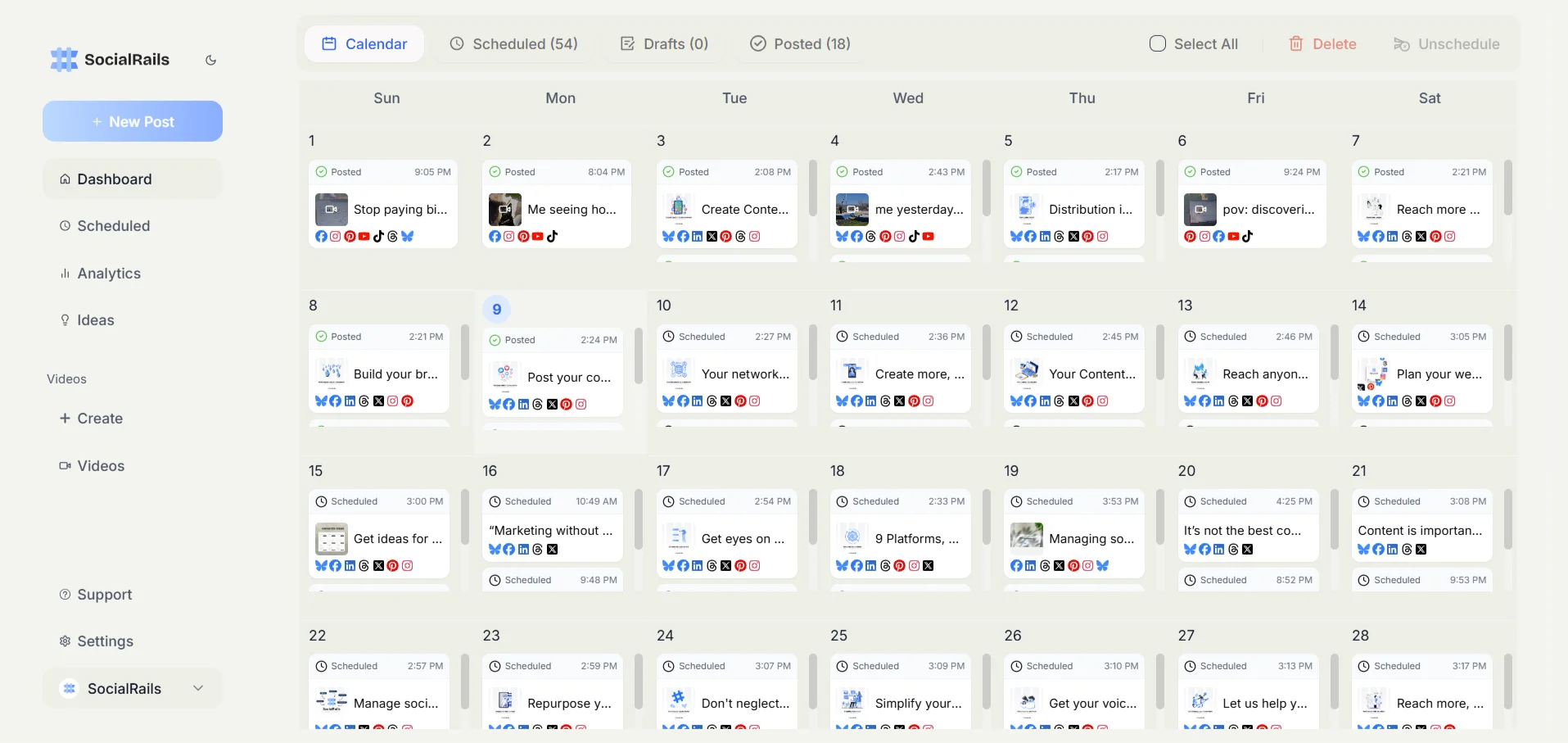
Quick Definition
- Media Kit = Professional package of brand information for media use
- Purpose: Make it easy for media to write about your brand
- Contents: Company info, images, statistics, contact details
- Format: Digital PDF, web page, or physical folder
Why You Need a Media Kit
For Media Relations
- Saves time for journalists who need quick information
- Ensures accuracy by providing official facts and figures
- Professional appearance that builds credibility
- Easy sharing of high-quality brand assets
- Supports PR outreach with creative campaign ideas
For Business Growth
- Press coverage leads to increased brand awareness
- SEO benefits from media mentions and backlinks
- Partnership opportunities with other businesses
- Investor interest from professional presentation
For Consistency
- Brand message alignment across all media coverage
- Visual consistency with approved logos and images
- Accurate information prevents misrepresentation
- Updated materials ensure current information
- Organized assets with a proper marketing folder structure
Essential Elements of a Media Kit
1. Company Overview
What to Include:
- Brief company history and founding story
- Mission statement and core values
- Current business focus and objectives
- Key achievements and milestones
Example: "Founded in 2019, SocialRails helps small businesses manage their social media presence with easy-to-use scheduling and analytics tools. We've helped over 10,000 businesses increase their social media engagement by 40% on average."
2. Key Statistics and Facts
Important Numbers:
- Company size (employees, customers, revenue)
- Growth metrics and performance data
- Market position and competitive advantages
- Awards and recognition received
Example:
- 10,000+ active customers
- 500% growth in 2023
- Featured in TechCrunch and Forbes
- Named "Best Social Media Tool" by Marketing Land
3. Leadership Team
Include for Each Leader:
- Professional headshot (high-resolution)
- Brief biography and background
- Current role and responsibilities
- Contact information (if appropriate)
4. Product or Service Information
Key Details:
- Primary products or services offered
- Unique features and benefits
- Target audience and use cases
- Pricing information (if public)
5. Visual Assets
Essential Images:
- Company logo (various formats and sizes)
- Product screenshots or photos
- Leadership team headshots
- Office photos or company events
- Infographics and charts
6. Recent News and Press Coverage
Media Mentions:
- Recent press releases (learn how to distribute them effectively with our press release distribution guide)
- News coverage and media mentions
- Industry awards and recognition
- Speaking engagements and events
7. Contact Information
Media Contacts:
- Primary PR contact name and details
- Phone numbers and email addresses
- Social media profiles
- Physical address (if relevant)
Types of Media Kits
1. Company Media Kit
Focus: Overall business and brand information Use: General press inquiries and company coverage Contents: Company overview, leadership, achievements, contact info
2. Product Launch Media Kit
Focus: Specific product or service announcement Use: Product launch campaigns and reviews Contents: Product details, features, pricing, availability, demos
3. Event Media Kit
Focus: Conference, webinar, or industry event Use: Event coverage and speaker opportunities Contents: Event details, speakers, agenda, registration info
4. Executive Media Kit
Focus: Company leadership and expertise Use: Speaking opportunities and industry expertise (great for pitching podcast appearances) Contents: Executive bios, expertise areas, speaking topics, headshots
5. Crisis Communication Kit
Focus: Managing negative publicity or emergencies Use: Rapid response to media inquiries during crises Contents: Official statements, fact sheets, leadership contact info
How to Create an Effective Media Kit
Step 1: Research Your Audience
- Identify target media outlets and journalists
- Understand their needs and preferred formats
- Review competitor media kits for inspiration
- Note industry standards and expectations
Step 2: Gather Content and Assets
- Collect company information and verify accuracy
- Obtain high-quality images and visual assets
- Write compelling copy that tells your story
- Organize materials logically and professionally
Step 3: Design and Format
- Choose appropriate format (PDF, web page, or both)
- Maintain brand consistency throughout design
- Ensure readability with clear fonts and layout
- Optimize file sizes for easy downloading
Step 4: Review and Test
- Proofread all content for accuracy and errors
- Test download links and file accessibility
- Get feedback from team members or industry contacts
- Update information regularly to keep current
Step 5: Distribute and Promote
- Upload to website with easy navigation
- Share with media contacts and industry influencers
- Include in email signatures and marketing materials
- Promote on social media to increase visibility
Digital vs Physical Media Kits
Digital Media Kits
Advantages:
- Instant access via website or download
- Easy updates when information changes
- Cost-effective with no printing expenses
- Trackable engagement through analytics
Best Formats:
- PDF documents for easy sharing
- Dedicated web pages for SEO benefits
- Online press rooms for complete information
- Cloud storage links for large file collections
Physical Media Kits
When to Use:
- Trade shows and industry events
- High-profile media meetings
- Luxury brands requiring premium presentation
- Local media with traditional preferences
Contents:
- Printed materials in professional folder
- USB drive with digital assets
- Business cards and contact information
- Product samples (if applicable)
Media Kit Design Best Practices
Visual Design
- Use brand colors and fonts consistently
- Include white space for clean, readable layout
- High-quality images that represent your brand well
- Professional typography that's easy to read
Content Organization
- Logical flow from overview to specific details
- Clear sections with descriptive headings
- Bullet points for easy scanning
- Contact information prominently displayed
File Management
- Descriptive file names for easy identification
- Appropriate file sizes for quick downloads
- Multiple format options (JPG, PNG, EPS for logos)
- Organized folders for different asset types
Common Media Kit Mistakes
1. Outdated Information
Problem: Old statistics, former employees, discontinued products Solution: Regular reviews and updates (quarterly minimum)
2. Poor Quality Images
Problem: Low-resolution photos, unprofessional headshots Solution: Invest in professional photography and high-res images
3. Too Much Information
Problem: Overwhelming content that's hard to navigate Solution: Focus on most important information, provide detail on request
4. Missing Contact Information
Problem: No clear way for media to reach appropriate contacts Solution: Multiple contact methods and backup contacts
5. Difficult Access
Problem: Hard-to-find media kit or broken download links Solution: Prominent website placement and regular link testing
Measuring Media Kit Success
Key Metrics
- Download numbers and access frequency
- Media mentions and press coverage
- Journalist inquiries and interview requests
- Website traffic to media kit pages
Tracking Methods
- Google Analytics for web-based media kits
- Download tracking for PDF and file assets
- Media monitoring tools for coverage measurement
- Direct feedback from journalists and contacts
Industry-Specific Considerations
Technology Companies
- Product screenshots and demo videos
- Technical specifications and system requirements
- Developer resources and API documentation
- Customer case studies and success metrics
Retail and E-commerce
- Product photos and lifestyle images
- Seasonal collections and trend information
- Store locations and expansion plans
- Sales data and market performance
Service Businesses
- Service descriptions and process explanations
- Client testimonials and case studies
- Team expertise and qualifications
- Industry certifications and partnerships
Nonprofits
- Mission and impact statements
- Program descriptions and outcomes
- Financial transparency and fund usage
- Volunteer and donation information
Tools for Creating Media Kits
Design Tools
- Canva: Easy-to-use templates and design elements
- Adobe InDesign: Professional layout and typography
- Figma: Collaborative design for team projects
- PowerPoint: Simple presentations and basic layouts
Content Management
- Google Drive: Easy sharing and collaboration
- Dropbox: File storage and sharing capabilities
- WordPress: Website-based media rooms
- Notion: Organized information databases
Analytics and Tracking
- Google Analytics: Website traffic and engagement
- Bitly: Link tracking and click analytics
- Mailchimp: Email distribution and tracking
- Buffer: Social media sharing and analytics
- Media monitoring tools: Track coverage and mentions (see our guide on media monitoring tools for comprehensive options)
Future Trends in Media Kits
Interactive Elements
- Video introductions from company leadership
- Interactive infographics and data visualizations
- Virtual tours of facilities or products
- Augmented reality product demonstrations
Personalization
- Customized kits for different media types
- Dynamic content based on visitor interests
- AI-powered content recommendations
- Real-time updates for breaking news
Integration
- Social media feed integration
- CRM connectivity for lead tracking
- Marketing automation for follow-up
- Analytics dashboards for performance monitoring
Key Takeaways
- Media kits are essential tools for building relationships with journalists and media
- Include company overview, statistics, leadership info, visuals, and contact details
- Digital formats offer convenience and trackability
- Regular updates ensure accuracy and relevance
- Professional design and organization reflect brand quality
- Track usage and engagement to measure effectiveness
A well-crafted media kit can significantly increase your chances of earning media coverage and building valuable relationships with journalists and influencers. Invest time in creating a complete, professional kit that makes it easy for media to tell your story accurately and compellingly.
Was this article helpful?
Let us know what you think!